


Understanding Utilities in Mexico: Real Costs, What’s Included, and How to Avoid Expensive Surprises
By Dez | My Deztination: Mexicos Trusted Residency + Relocation Expert
CFE (Comisión Federal de Electricidad) is the national provider. Unlike tiered systems in the U.S. or Canada, rates in Mexico penalize high consumption. If you use too much A/C, you could get bumped into a higher tariff bracket—called tarifa DAC—and your bill could triple.
Average Monthly Cost:
Light use (fans, no A/C): $200–600 MXN
Moderate (some A/C): $800–1,500 MXN
Heavy (full A/C use): $2,000–5,000+ MXN
🔌 Tip: Ask your landlord for the last 3 CFE bills before signing a lease.

Internet & Wi-Fi: Choose Wisely
Internet quality varies drastically by city and even neighborhood. In places like Puerto Vallarta, Ajijic, and Mexico City, fiber-optic is increasingly available—but not guaranteed.
Providers: Telmex (Infinitum), TotalPlay, Izzi
Average monthly cost: $350–700 MXN
🔌 Many packages include landline or streaming services.
💻 Pro tip: Ask your landlord or neighbors which provider works best in your area. Speed and reliability vary street by street.
Mobile Phones & SIM Cards in Mexico
Your Mexican phone number isn't just for calls - it's infrastructure. You'll need it to receive bank verification codes, open digital bank accounts like Klar or Openbank, use Uber, contact landlords, and navigate daily life. Getting a local SIM sorted in the first day or two of your arrival is genuinely one of the most useful things you can do.
The good news: Mexican mobile plans are affordable and widely available. You can buy a SIM card at any OXXO, Walmart or carrier store with just your passport - no residency card required.
The main carriers
Telcel is the largest network in Mexico with the widest coverage, including in smaller towns and rural areas. If you're planning to travel around the country or live outside a major city, Telcel is the most reliable choice. Plans start from around $150 MXN per month for basic data and calls, with mid-range unlimited data plans running $300–500 MXN.
AT&T Mexico has strong coverage in major cities and is popular with expats who want good data speeds. A notable advantage: some AT&T plans include roaming back to the US and Canada at no extra cost, which is genuinely useful if you travel back and forth. Mid-range plans run $250–450 MXN per month.
Movistar is the budget option — lower monthly costs, adequate coverage in urban areas, but noticeably thinner signal outside the main cities. Worth considering if you're based in a well-covered neighbourhood and primarily need data for home use while you set up your home internet.
Pre-pay vs. monthly plan
Most newly arrived expats start with a **pre-pay (prepago) SIM** — you load credit as you need it, no contract, no commitment. This is the easiest starting point while you're getting settled. Once you have residency and a Mexican bank account or credit card, switching to a monthly plan (plan mensual) gives you better value for regular data use.
Practical tips
- Buy your first SIM at the airport or an OXXO on arrival — don't wait until you need it
- Telcel and AT&T SIMs are available almost everywhere; Movistar less so
- Keep your US or Canadian number active on WhatsApp — most expat communication happens there regardless of which carrier you use
- eSIM options are available on Telcel and AT&T for compatible phones — useful if you want to keep your home-country SIM active alongside a Mexican number
📱 August 2026 Update
Mexican SIM Card Registration — Action Required
If you have a Mexican pre-pay (pay-as-you-go) phone number, you are now required by law to register it to a verified identity. Disconnections are rolling out through August–December 2026, staggered by the last digit of your number. Numbers ending in 0 are first — starting around August 15.
This matters more than it sounds. Your Mexican phone number is what you need to open a Klar or Openbank account, receive bank verification codes, contact landlords, and get into most banking apps. An unregistered, disconnected number disrupts all of it at once.
How to register: Open your carrier's app or website — Telcel, AT&T Mexico, or Movistar — and complete registration with your passport or residency card. It takes about five minutes. Check the last digit of your Mexican number to know your disconnection window.
Water: Cheap but Not Always Potable
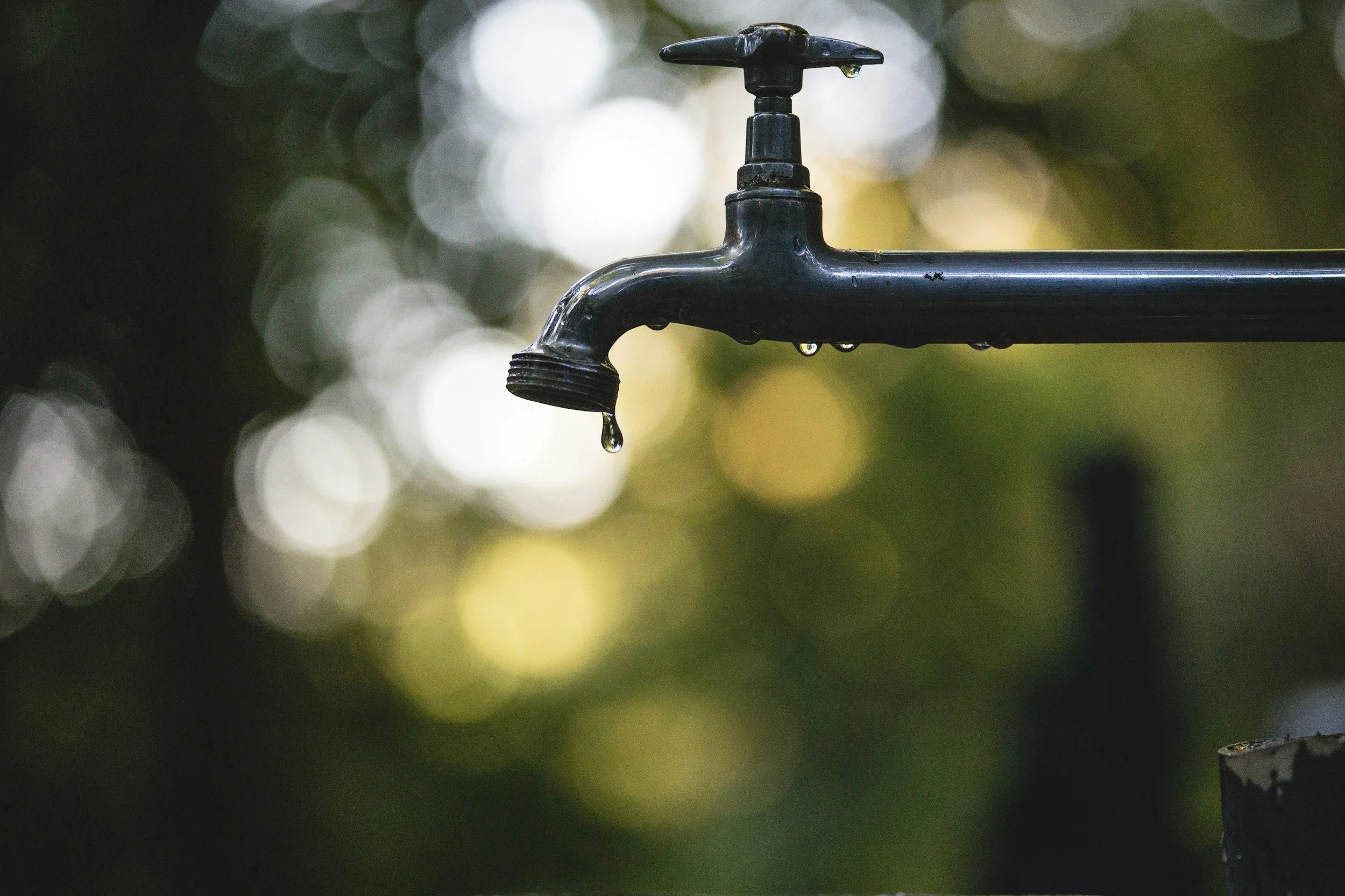
Tap water is not safe to drink in most places but it's used for showers, dishes, and laundry. Some rentals include water in the rent, or the cost is minimal.
💧 Drinking water: Buy 20L garrafones for $30 – 60 MXN at local stores or delivery services like EPura or Ciel.
How My Deztination Helps You Find Your Dream Home
The VIP Experience includes a guided 3hr neighborhood tour which will be tailored to your needs to find your dream location and dream home in Mexico.
- Personalized consultation
- Personalized itinerary customized to your needs
- Insider tips and recommendations
Gas: The Tank (or Truck) Might Surprise You
Gas is usually LP gas delivered in a truck or stored in a rooftop tank. It fuels stoves, water heaters, and sometimes clothes dryers.
Refills cost around: $400–1,000 MXN depending on usage and family size.
You’ll either:
Call for a refill from a local gas company (yes, they yell “Gaaaaas!”)
Monitor your rooftop tank and schedule regular top-ups
Search “Servicio de Gas LP a domicilio” on Google to find your local providers
What’s Usually Included in Rentals?
Every lease is different, but most long-term rentals include:
HOA (maintenance fees)
Sometimes Wi-Fi
Not usually included:
Electricity
Water
Gas
Drinking water
Netflix, etc.
Always ask:
“¿Qué servicios están incluidos en la renta?”
(What utilities are included in the rent?)
Want help choosing a rental that won’t surprise you with hidden costs?
We offer expert relocation support that includes neighbourhood tours and expert guidance so you can find your new home with ease.
Whether you're relocating to Puerto Vallarta, Mexico City, or beyond,
We don’t just help you move — we help you move with total confidence. EXPLORE PACKAGESLocation-Specific Tips
Puerto Vallarta
A/C-heavy rentals drive up CFE bills.
Beach areas = humidity = fans run year-round.
Many units use gas tanks—check refill access.
Ajijic / Lake Chapala
Moderate climate = low electric bills
Expats often use delivery apps for garrafones
Fiber-optic Wi-Fi is available, but confirm coverage.
Mexico City
Most apartments don’t use A/C, so bills are low.
Shared buildings often include water/gas
Telmex is reliable, but TotalPlay is faster in some areas.
How My Deztination Helps
When you book a VIP or Ultimate relocation package, we:
Review past utility bills before you rent
Explain your contract clauses (in English)
Connect you with trusted gas/water delivery
Recommend the best internet provider in your zone
Help set up utilities in your name (if needed)
We take the guesswork and stress out of settling in.
“In Mexico, comfort isn’t about how much you spend - it’s about how well you plan. Knowing the local utility quirks ahead of time can save you thousands and make your home feel like a sanctuary, not a stressor.”
Start Exploring Your Options
If you're ready to stop guessing and start getting real support:
👉 Book your relocation consult here
Or grab my free checklist to stay on track:
👉 Download it here
meet dez
Dez | My Deztination

Dez is the founder of My Deztination
Mexico’s trusted relocation advisor. With over seven years living in Mexico, she knows the importance of trustworthy and professional guidance & support. She specializes in personalized consultations, private neighborhood tours, and full-service relocation packages to help clients move to Mexico the easy way.
Frequently Asked Questions
Do I need to register my Mexican SIM card?
Yes — as of 2026, all pre-pay Mexican phone numbers must be registered to a verified user or they will be disconnected. Disconnections are rolling out between August and December 2026, staggered by the last digit of your number. Register through your carrier's app (Telcel, AT&T Mexico, or Movistar) using your passport or residency card. It takes about five minutes and is worth doing immediately.
How much are utilities in Mexico per month?
Most expats budget $1,500–3,000 MXN per month for electricity, gas, and water combined — though this varies significantly by city and lifestyle. A/C use in coastal cities like Puerto Vallarta is the biggest variable. Mexico City apartments rarely need air conditioning, which keeps bills much lower.
Is electricity expensive in Mexico?
It can be. CFE subsidises light usage, but heavy air conditioning or appliance use can push you into the tarifa DAC bracket — a punishing high-consumption rate that can roughly triple your bill. Always ask your landlord for the last three CFE bills before signing a lease, especially in humid coastal areas where A/C runs most of the year.
Do rentals in Mexico include utilities?
Some do, most don't. Internet is most commonly included in furnished expat-market rentals. Electricity and gas are almost always separate. Always ask: "¿Qué servicios están incluidos en la renta?" before signing anything. A rental with utilities included can be worth paying a premium for — especially in summer.
Can I set up utilities in my name as a foreigner?
Yes — especially with Temporary or Permanent Residency. A CFE bill in your name at your Mexican address is also one of the documents most banks require as proof of address when opening an account, so getting utilities transferred into your name early in your move is genuinely worth prioritising. My Deztination helps clients with contracts, account setups, and payments as part of our relocation setup support.
Why does my utility bill matter for banking?
A CFE or Telmex bill in your name at your Mexican address — issued within the last 90 days — is one of the main documents Mexican banks require to open an account. It's the same document you'll need for your RFC registration at SAT. Getting this sorted early makes everything else downstream easier. See our full banking guide for the complete document sequence.
What internet providers are available in Mexico?
The main providers are Telmex (Infinitum), TotalPlay, and Izzi. Fibre-optic is available in most parts of Puerto Vallarta, Mexico City, and Guadalajara, but coverage varies street by street. Ask your landlord or a neighbour which provider works best in your specific building before committing — switching providers mid-lease is a headache. Most plans run $350–700 MXN per month.
Keep Reading
Setting up your phone and utilities is just one part of getting settled. These guides cover what comes next:
🏦 How to Open a Bank Account in Mexico as a Foreigner — the documents, the RFC sequence, and which banks work best for expats
📱 Best Digital Banks in Mexico for Expats: Klar, Openbank & Nu — open an account in minutes with just your passport, no branch visit needed
📋 Download the free Move to Mexico Checklist — utilities, banking, residency, pets, shipping — the full picture in one place