How to Open a Bank Account in Mexico as a Foreigner: The 2026 Guide
By Dez | My Deztination: Mexicos Trusted Residency + Relocation Expert
Getting a Mexican bank account is one of those things that sounds straightforward until you're standing at the branch counter being told you're missing a document — in Spanish — with no idea what just happened.
I've watched this exact scene play out more times than I can count. Someone arrives at a bank with what they think is everything, waits an hour, then gets turned away because their proof of address is a day outside the 90-day window, or because their name on their RFC doesn't match their passport exactly, or because that particular branch doesn't handle foreign accounts on Tuesdays.
It's not that Mexico's banking system is hostile to foreigners. It genuinely isn't. The process is manageable once you understand what you actually need. But "manageable" and "predictable" aren't quite the same thing, and the difference between arriving prepared and arriving hopeful is usually about two hours of frustration.
This guide covers everything you need to know — from documents to bank choices to the RFC process that most people get surprised by — so that when you walk into that branch, you walk in ready.
Why Having a Mexican Bank Account Makes Life Here Easier
You can survive in Mexico without a local bank account. But surviving and thriving are different things.
A Mexican bank account means:
Paying rent electronically. Most landlords in Puerto Vallarta and other popular expat cities now prefer SPEI transfer (Mexico's bank-to-bank transfer system) over cash. Without a local account, you're paying in US dollars, losing on exchange, or dealing in large amounts of physical cash.
Paying utility bills. CFE (electricity), Izzi, TotalPlay, Telmex — all of these can be paid directly through your Mexican bank app or online banking. Without it, you're queuing at OXXO.
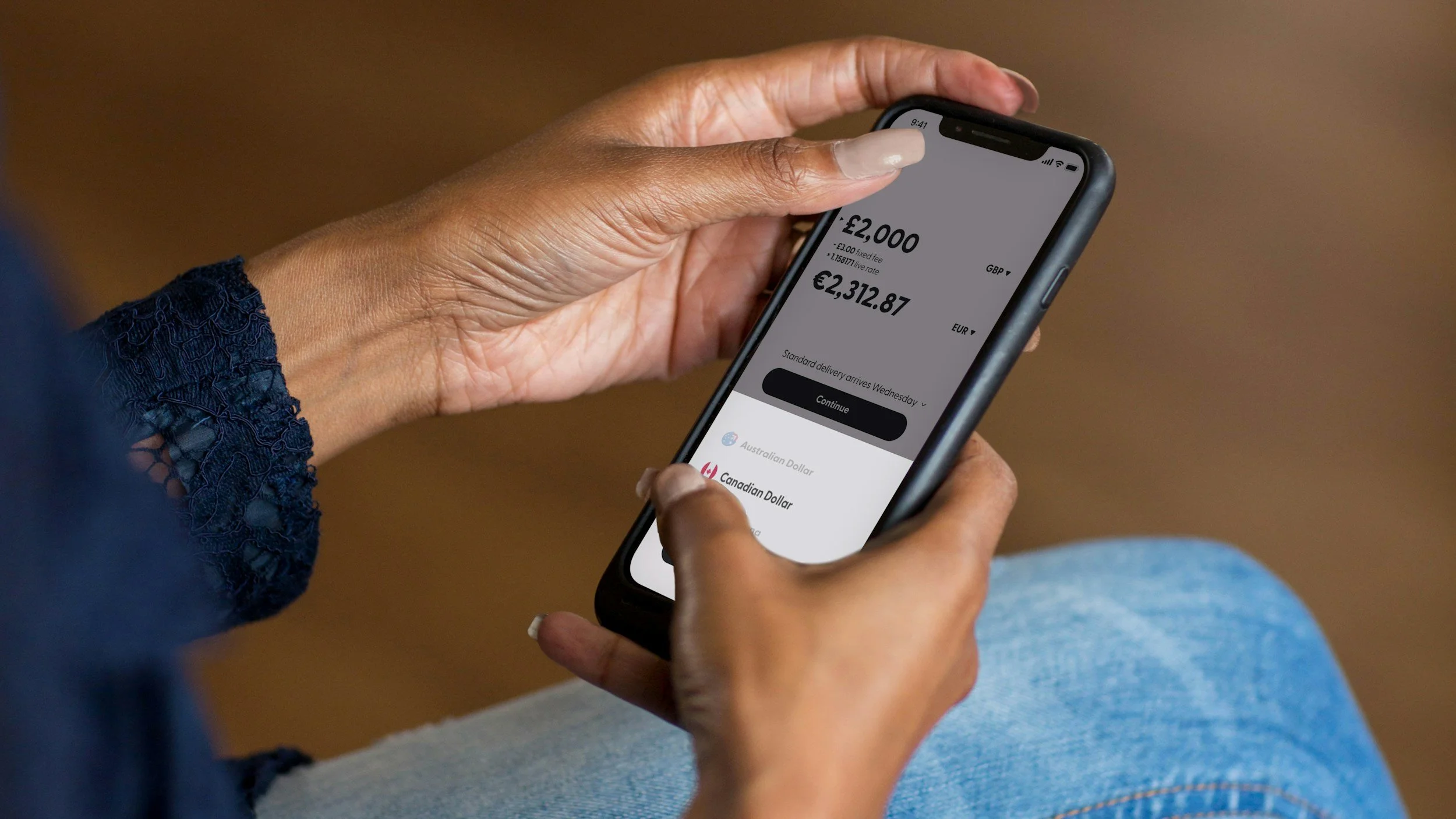
Receiving money from overseas. Whether you're bringing retirement income, transferring funds through Wise or Remitly, or being paid remotely, having a CLABE (your Mexican bank's unique transfer number) makes receiving money clean and simple.
Getting a debit card. A Mexican bank debit card means you're not paying foreign transaction fees every time you stop at a local market or pay a service provider.
Access to SPEI transfers. Mexico's interbank transfer system is fast, cheap, and widely used for everything from paying your plumber to splitting a dinner bill. You need a Mexican account to use it properly.
Building your financial infrastructure. If you plan to buy a car, rent a long-term apartment, hire contractors, or eventually purchase property, you'll need a local account as the financial anchor for those transactions.
In short: a Mexican bank account isn't optional. It's a foundational piece of your life here.
Can Foreigners Open a Bank Account in Mexico?
Yes - and this surprises some people. Foreigners can open bank accounts in Mexico, but typically need to do so in person. You cannot complete the full process online. You cannot send a representative in your place. You show up, in person, with originals of your documents.
The good news is that once you're prepared, the actual appointment is usually between one and three hours and you typically leave with a working account and a debit card.
The challenge is that "prepared" means something specific — and what that means depends on your immigration status.
Download the FREE Mexico Relocation Checklist
Before you book flights, ship belongings, or start apartment hunting...
Make sure you understand:
- Residency options
- Banking & RFC requirements
- Healthcare & insurance
- Housing & neighborhoods
- Pet relocation
- What to do before and after arrival
Thousands of people dream about moving to Mexico.
The people who succeed usually have a plan.
Your Immigration Status Changes Everything
This is the single most important factor in how smoothly your banking experience goes.
Temporary Residents (Residente Temporal)
Most banks expect you to be a resident before opening a full account, and a resident card removes nearly all friction. If you hold a Temporary Resident card, you're in the strongest position. Most major banks — BBVA, Santander, Banorte, HSBC — will open a standard account for you with your card plus the other documents listed below.
Permanent Residents (Residente Permanente)
Same process as temporary residents, often with even less friction. Permanent residency is the cleanest immigration status for financial purposes in Mexico.
Tourists (FMM / Visitor Permit)
This is where things get complicated. Tourists can sometimes open limited accounts, but options are narrower.
Some banks will open a basic account for someone on a tourist permit in specific circumstances - usually a basic savings account, sometimes with a lower deposit limit. But the experience is inconsistent. Some branches will help you; others will tell you it's not possible. Without residency, you're also unlikely to qualify for an RFC (Mexico's tax ID), which most banks now require.
If you're on a tourist permit and planning to stay, the most practical advice is to start your residency process. The banking situation gets significantly easier the moment you have your card in hand.
The Documents You'll Need
Requirements vary between banks and, sometimes, between individual branches of the same bank. The following represents the documents that are consistently required across most of the major banks.
Core documents — bring originals AND at least two photocopies of each
Valid passport. You must appear in person at a branch with your passport. Must not be expired. Bring the full document, not a photocopy.
Residency card. Resident card — Temporary or Permanent — is required at virtually every major bank. Some branches may ask to photocopy every page.
Proof of Mexican address. A letter confirming your address issued within the last 90 days (such as a utility bill). In practice, this means a CFE electricity bill, a water bill, or a Telmex/internet bill in your name at your Mexican address. If you're renting and utilities aren't in your name, ask your landlord for a signed, notarized letter confirming your address — some banks accept this; confirm with your specific branch before your appointment.
RFC. More on this below — but this is increasingly required and is the most common reason foreigners get turned away when they're otherwise fully prepared.
CURP. Typical requirements are your resident card, CURP, RFC, passport and a recent proof of address such as a utility bill. Your CURP is usually printed on your residency card.
Mexican mobile phone number. A Mexican mobile phone number is required to set up mobile banking and to receive security verification codes. Get a Mexican SIM card before your bank appointment.
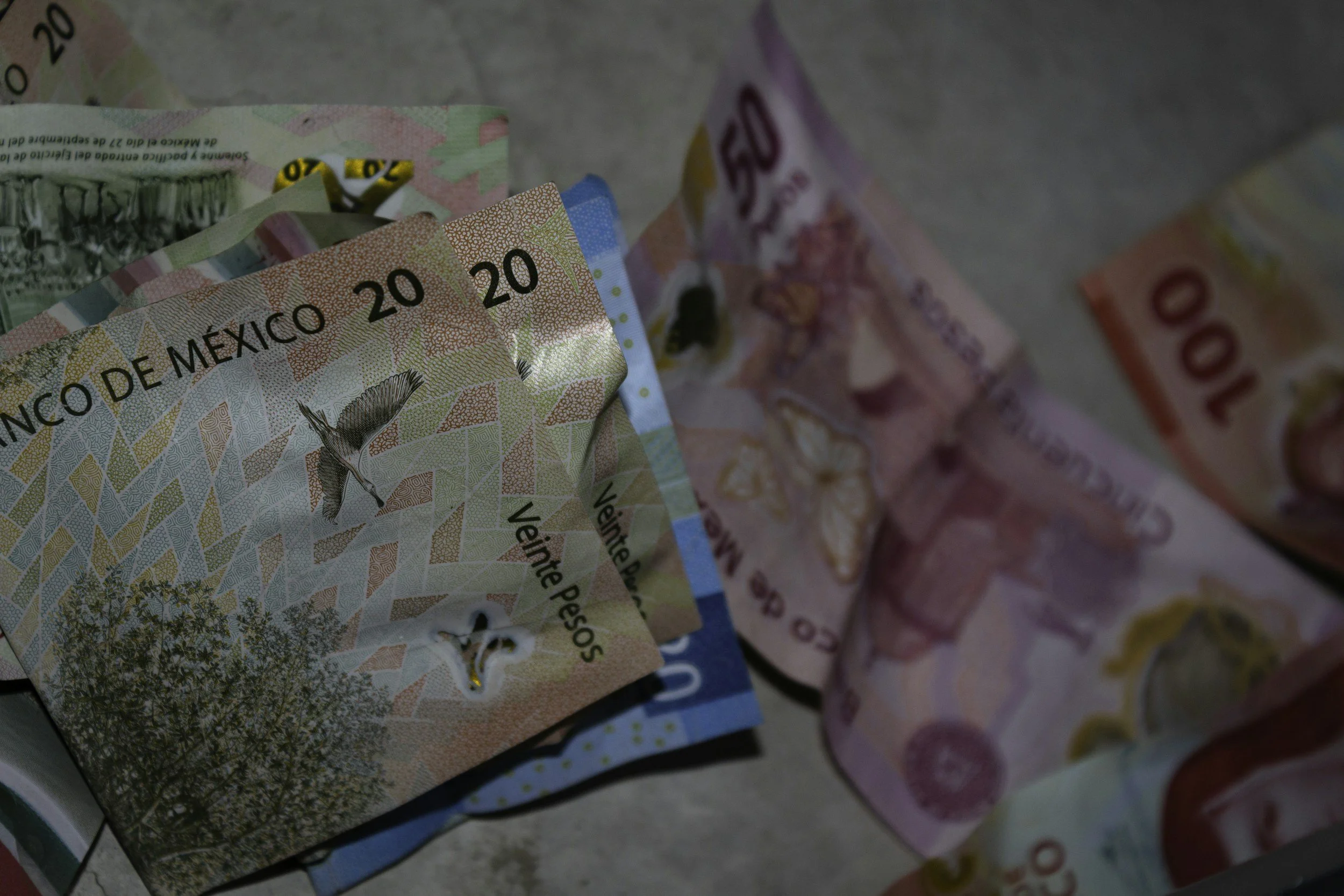
Opening deposit. A minimum deposit of around MXN $1,000 (around USD $50) is typical, though this varies by bank and account type. Bring cash in pesos.
What to leave out of the carrier bag
Do not bring foreign utility bills, US or Canadian bank statements as proof of Mexican address, or translations of your home-country ID documents. None of these substitute for Mexican proof of address, and presenting them can sometimes complicate the appointment.
The RFC: The Thing Most People Don't Know They Need
This is where I see the most preventable frustrations, so I'm going to spend some time on it.
Your RFC (Mexico's tax ID number) is required before any Mexican bank will open an account for you. It's free, takes 1–2 hours at any SAT office, and the most preventable reason foreigners get turned away at Mexican banks.
The RFC is a 13-character alphanumeric code issued by Mexico's tax authority (SAT — Servicio de Administración Tributaria). It's different from your CURP. You get your CURP first — usually automatically when your residency card is issued — and then use your CURP to obtain your RFC.
Getting your RFC: what the process actually looks like in 2026
Step 1: Biometric CURP first.
In February 2026, Mexico introduced a Biometric CURP requirement: a separate enrollment step at a RENAPO (Registro Nacional de Población) module where your fingerprints and iris scan are captured. This is NOT done at INM — it's a separate appointment after you receive your residency card. Many people don't know this step exists and go directly to SAT wondering why their CURP isn't showing as verified.
Step 2: Book your SAT appointment.
Foreign residents must appear in person at a SAT office — you cannot complete the full RFC registration online. Book your appointment at: citas.sat.gob.mx. In Puerto Vallarta, appointments can book out two to four weeks — do this early, not the week before you planned to open your account.
Step 3: Bring originals and two copies of each.
Bring originals AND 2 photocopies of each (SAT offices rarely have copiers) — your passport, residency card, and proof of Mexican address.
Step 4: Same-day result.
You'll receive your 13-character RFC number and your Constancia de Situación Fiscal (tax status certificate) the same day. Keep this document safe — banks and employers ask for it frequently.
One important note: with the exception of Intercam, these days a lot of Mexican banks ask for RFCs when you open an account. Don't assume you can open the account first and sort the RFC later. Most major branches now check for it before proceeding.
Thinking About Mexico City?
Moving to Mexico City isn't just about finding an apartment. It's about finding the neighborhood that fits your lifestyle, understanding residency requirements, navigating healthcare and banking, and building a life that actually feels good.
At My Deztination, we help retirees, families, remote workers, and adventurous souls relocate with confidence. Ready to explore Mexico City with an expert by your side?
- Personalized relocation consultations
- VIP neighborhood tours
- Residency & bureaucracy support
- Housing guidance & trusted local contacts
- Ongoing support after you arrive
Choosing the Right Bank
There is no single right answer here. The best bank for you depends on your neighbourhood, your Spanish level, how much you need in-branch service versus app-based banking, and how often you'll be transferring money from overseas.
Here's an honest breakdown of the main options.
BBVA México
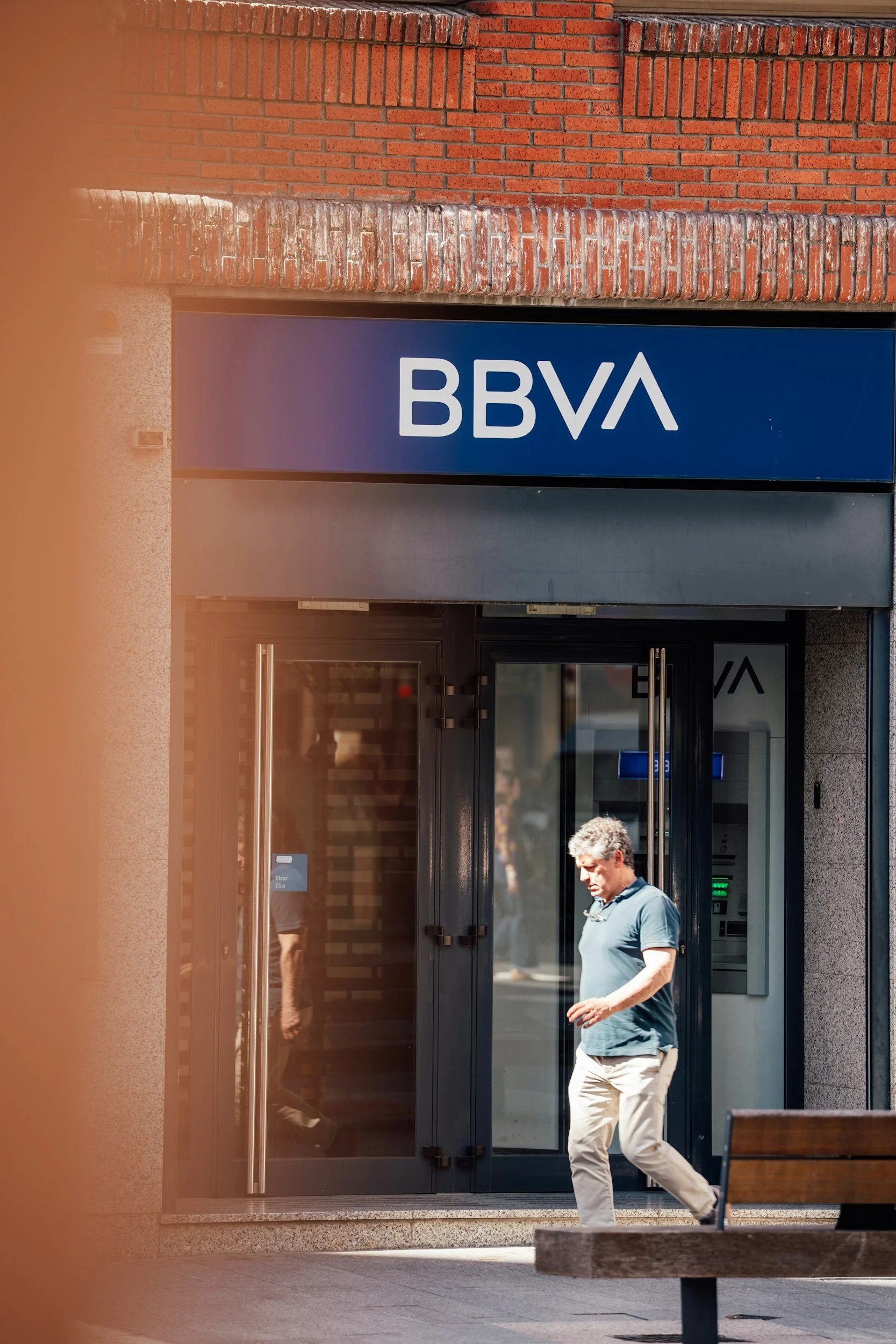
BBVA is the largest bank in Mexico by total assets and the most consistently recommended option for expats.
Why people choose it: Its network of more than 14,000 ATMs and nearly 1,700 branches makes it easy to access your money across the country. The mobile app is genuinely excellent — arguably the best banking app available in Mexico — and handles SPEI transfers, bill payments, and account management cleanly. BBVA has the most experience with foreign residents and is generally the most consistent in accepting foreigners with proper documentation.
What to watch for: Branch-level variation is real. What one branch tells you about documents may differ from what another says. BBVA has a history of marketing additional insurance products to foreign customers during the account-opening process. You are not required to buy insurance to open an account — know this before you go in and decline politely if it's presented as a requirement.
Fees: Basic accounts (Eje Cuenta Básica) are free with no minimum balance. Premier tiers run approximately $30–$50 USD per month, or free if you maintain a qualifying balance. Confirm current fee structures directly with the branch.
Best for: Most expats, particularly those who want the most reliable app experience and the widest ATM network.
Santander
Santander offers several checking account options for foreigners, including an entry-level account with no required minimum balance or initial deposit alongside a premium tier that bundles in legal assistance and household services.
Why people choose it: Wide branch network, relatively foreigner-friendly reputation, and strong credit card options if you eventually want to build Mexican credit.
What to watch for: Santander was trickier because the line was super long. Most Mexicans prefer Santander over other banks so there's always a long line in any branch. Make sure to come early, preferably at opening hours (9:00am–10:00am). Arrive early or expect to wait.
Best for: People who want account options that include basic legal and home service assistance through the premium tier.
Banorte
Banorte, one of the largest Mexican-owned banks, has a large footprint of more than 1,100 branches and 10,000 ATMs. The Banorte Personal Link account has no monthly fee, initial deposit, or monthly balance requirement.
Why people choose it: Strong Mexican-owned bank with a broad national presence and genuinely competitive fee-free account options. Known for good ATM coverage and a functional app.
What to watch for: English language support is more limited than BBVA. Bring someone bilingual or prepare to navigate the appointment in Spanish.
Best for: Budget-conscious movers who want a solid account with no monthly fees and don't need English-language branch support.
HSBC México
HSBC has a smaller branch footprint than BBVA or Santander but is often recommended for expats who already have international HSBC relationships — though note that Mexican HSBC operates separately and accounts don't carry over from your home country.
Why people choose it: HSBC's Cuenta Flexible account carries no monthly fee provided you set up monthly direct deposits or maintain a balance of at least 4,000 MXN. English language support is generally better than Banorte.
What to watch for: Standard fees on premium tiers can run $20–$80 USD/month, which is on the higher end. Understand what you're signing before committing to a premium account type.
Best for: Expats who want stronger English support and a familiar international brand name.
Scotiabank México
Scotiabank offers professional service, decent English-language support, and integrates somewhat with Canadian Scotiabank accounts. The branch network is smaller than the top three.
Best for: Canadian expats specifically, who may benefit from the cross-border familiarity even though accounts don't automatically integrate.
A Note on Branch-Level Variation
If there's one thing I want you to remember about Mexican banking, it's this: what one branch tells you isn't necessarily the policy.
This isn't unique to Mexico — it happens with large banks everywhere. But in Mexico, the variation between branches can be striking enough that someone who was turned away at one BBVA could walk into another BBVA across town and open the same account without issue.
Why does this happen?
Different branch managers interpret central policy differently. Individual staff have different levels of experience with foreign clients. Some branches see expats regularly and have their own internal workflows for it; others rarely do.
The practical implication: if you're turned away at one branch with complete documentation, don't assume you can't open an account. Try a different branch — ideally one in a more established expat area where staff are more accustomed to the process.
In Puerto Vallarta, branches in the Romantic Zone, Versalles, and Fluvial Vallarta areas tend to have more experience with foreign clients than branches in more local neighbourhoods.
Proof of Address: The Detail That Trips People Up
This is the second most common sticking point after the RFC.
Your proof of address needs to be:
- A utility bill or official document issued in your name
- At your current Mexican address
- Dated within the last 90 days
- Ideally from CFE, Telmex, or a similar recognizable Mexican utility
If you're newly arrived and utilities aren't yet in your name, this can feel like a catch-22. Options:
Ask your landlord. A signed letter on official letterhead (ideally notarized) confirming you live at the address can be accepted by some branches. Call ahead to confirm before your appointment.
Get utilities transferred. In many rentals, this is possible — ask your landlord to transfer the CFE account to your name. It takes a few weeks but permanently solves the problem.
Recent bank correspondence. If you opened a basic account through a fintech like Nu with your passport before completing your residency setup, their official account letter showing your Mexican address can sometimes be used. Confirm with your target bank first.
GET $50 OFF YOUR RELOCATION PACKAGE
Book your Essentials or VIP package this month and receive $50 USD OFF—no matter where you're headed or why you're moving.
Use code: MOVETOMEXICO at checkout
This is your sign to move forward with peace of mind—and the right support.
Book Your Relocation Consultation NowTransferring Money to Mexico From Overseas
Once your account is open and you have your CLABE number, transferring money from the US or Canada is straightforward. Here's the honest overview.
Wire transfers from your home bank: Work, but fees can be significant — often $25–$40 per transfer plus unfavourable exchange rates at both ends.
Wise (formerly TransferWise): The most consistently recommended option among expats for regular transfers. You get the mid-market exchange rate, fees are transparent and typically much lower than banks, and transfers usually arrive same day or next business day. Your Mexican CLABE is where the funds land.
Remitly: Another strong option, particularly for one-time or occasional transfers. Often has promotional rates for first-time users.
Important note for US citizens: US citizens must report foreign accounts over $10,000 (FBAR) and may have FATCA obligations. Mexico participates in international common reporting standards, meaning your Mexican bank may report your account information to Mexican tax authorities, who share it internationally. This is worth understanding before you move significant funds — speak with a cross-border tax professional, not just a general accountant.
Online and Mobile Banking in Mexico
The good news: Mexico's major banks have invested significantly in their digital banking infrastructure. BBVA's app in particular is widely praised.
Most major bank apps let you:
- Check balances and statements
- Make SPEI transfers to other Mexican accounts
- Pay CFE, Telmex, and other utility bills
- Schedule payments
- Freeze and unfreeze your debit card
The caveat: most banks have apps but interfaces are in Spanish. If you're not comfortable navigating in Spanish, either get comfortable with Google Translate or make sure you understand the app's structure during your account-opening appointment while you have a bilingual person nearby.
Daily ATM withdrawal limits vary by bank and account tier — the typical expat household in Mexico may find standard limits lower than expected for funding everyday living expenses. Ask about this before you leave the branch and request a limit increase if needed.
Common Reasons Applications Get Rejected
Knowing why applications fail is often more useful than a checklist of what to bring.
Missing RFC. The number one reason fully prepared people get turned away in 2026.
Name mismatch. If your name on your RFC doesn't match your passport exactly — even a middle name variation or a hyphenated surname treated differently — this creates a flag that branches aren't always equipped to resolve on the spot.
Proof of address is expired or in the wrong name. Even one day outside the 90-day window is a problem. Check the date before you leave home.
No Mexican phone number. You need a Mexican SIM to receive verification texts during account setup.
Biometric CURP not completed. Since February 2026, the standard CURP on your residency card may not be sufficient — the biometric enrollment step is separate and must be done first.
Branch inexperience with foreign clients. Not a document problem — just a branch-selection problem. Switch branches.
Incomplete photocopies. SAT offices and bank branches rarely have photocopiers. Bring your own copies of everything.
Banking Etiquette and Practical Tips for Your Appointment
A few things that make the actual appointment go smoother.
Arrive early. Branches open at 9:00am. Being there at opening dramatically reduces wait time at most banks — Santander especially. Avoid Friday afternoons and end-of-month periods.
Dress professionally. This matters more than you might expect. Mexican banks are professional environments. Business casual is the standard.
Don't rush. Plan for two to three hours. Not because it always takes that long, but because arriving with nowhere to be means you're not flustered if it does.
Bring all originals. Even if the bank's checklist doesn't mention something, bring it. Missing documents at the counter mean rescheduling.
Have your phone charged. You'll need it to receive SMS verification codes during setup.
Be patient with language. Banking staff are professionals doing their jobs — most will work with you even if they don't speak English. Arriving with some key Spanish phrases or a translation app helps significantly.
Know what you want before you go in. Basic checking account or premium? Do you want a credit card eventually? Being clear about what you're asking for avoids the upselling conversation.
How My Deztination Helps With Banking Setup
At My Deztination, banking setup is part of the Relocation Setup and Bureaucracy Support a’la carte service and how we help clients settle into Mexico but it is also a piece of the broader relocation process.
What that looks like in practice:
We help clients prepare their documents correctly before the appointment — not just the list, but the detail that matters, like making sure names match exactly across their RFC, residency card, and passport.
We help clients understand the RFC and CURP process so that banking isn't delayed by paperwork they didn't know they needed.
Where applicable - our bilingual banking and admin support team - can accompany clients to appointments and translate during the process, which removes a significant layer of stress for people who aren't yet comfortable navigating a formal Spanish-language environment.
We help clients choose the right bank for their specific situation rather than defaulting to whatever's closest.
And we integrate banking setup into the wider relocation picture — because the proof of address you need for banking is the same document you need for other parts of getting settled, and getting the sequence right matters.
If you'd like help with banking as part of your relocation to Mexico, book a free Discovery Call — we'll talk through where you are in the process and what support makes sense.
Your Next Step
If you're planning a move to Mexico and want to arrive with your banking setup handled — not guessed at — book a free Discovery Call with My Deztination.
We'll talk through your residency status, your timeline, your city, and which pieces of your financial setup need to happen in which order. Banking is one piece of a broader picture, and getting the sequence right saves significant time and frustration.
📋 Download the free Move to Mexico Checklist— includes a full financial preparation section covering banking, taxes, insurance, and more.
🧭 Take the Mexico Match Quiz — if you're still deciding on a city, start here.
🎯 Explore relocation packages— from a starter consultation to full VIP support. Use code MOVETOMEXICO for $50 off Essentials or above.
Written by Dez, founder of My Deztination — Mexico relocation consultant and long-term Puerto Vallarta resident. Last updated: July 2026. Banking requirements, RFC rules, and fee structures are updated periodically — always verify current requirements with your chosen bank and SAT before your appointment.
meet dez
Dez, the founder of My Deztination
Mexico’s trusted relocation advisor. With over seven years living in Mexico, she knows the importance of trustworthy and professional guidance & support. She specializes in personalized consultations, private neighborhood tours, and full-service relocation packages to help clients move to Mexico the easy way.
Common Myths About Banking in Mexico
"If I bank with HSBC/Santander at home, my Mexican account is connected."
It isn't. Mexican banks operate separately from their parent banks, so member accounts don't cross over from the US and the offerings are different.
"I can sort out the RFC after I open the account."
Not at most major banks. RFC comes first — get this in the right sequence.
"My tourist visa will be enough."
For most major banks, it won't be. Some flexibility exists, but building your financial life on a tourist visa is neither reliable nor recommended.
"I'll just use my US card and Wise."
This works as a bridging strategy for your first few weeks. It doesn't work long-term — you'll pay foreign transaction fees on every purchase, face daily spending limits designed for tourists, and be unable to pay rent or utilities through SPEI.
"I can send a friend to open the account for me."
You cannot. The process requires your in-person presence, biometrics, and identity verification.
Mexico Banking FAQ 2026
Do I need residency to open a bank account in Mexico?
For most major banks — BBVA, Santander, Banorte, HSBC — yes. Most banks expect you to be a resident before opening a full account. Some limited options exist for tourists, but the process is inconsistent and varies significantly between branches. The most reliable path is residency first, then banking.
What is an RFC and do I need one to open a bank account?
Your RFC (Mexico's tax ID number) is required before any Mexican bank will open an account for you. It's issued by Mexico's tax authority (SAT), is free to obtain, and takes about one to two hours at a SAT office with an appointment. You need your CURP before you can get your RFC — and since February 2026, your CURP requires biometric enrollment at a RENAPO module. Plan this sequence: biometric CURP → SAT appointment → bank appointment.
Can I open a Mexican bank account as a tourist?
Some banks may open a limited account for tourists, but it's inconsistent and branch-dependent. Tourists can sometimes open limited accounts, but options are narrower. Without residency you also can't get an RFC, which most major banks now require. If you're planning to stay long-term, starting your residency process is the more reliable path.
What proof of address does a Mexican bank accept?
A recent utility bill (CFE electricity, Telmex, water) in your name at your Mexican address, issued within the last 90 days. Some banks also accept a signed letter from your landlord, though this varies. Always confirm with your specific branch before your appointment.
Can I open a Mexican bank account online?
As a foreigner, you cannot open an account online. You need to go to the bank in person. The only partial exceptions are some fintech/digital banks (Nu, Hey Banco) which have app-based onboarding, but even these often require in-person identity verification for foreign residents.
Which bank is best for expats in Puerto Vallarta?
BBVA is the most commonly recommended starting point for expats due to its branch coverage, mobile app, and experience with foreign clients. That said, the best bank depends on your location, language needs, online banking preferences, ATM access, and transfer habits. A consultation with My Deztination can help you pick the right option for your specific situation before you invest time in an appointment.
Why did the bank turn me away even though I had all my documents?
Several possible reasons: missing RFC, expired proof of address, name mismatch between documents, missing biometric CURP, or branch-level inexperience with foreign clients. The last one is more common than you'd expect — try a different branch in a more expat-heavy area before concluding you can't open an account.
What is a CLABE number and what is it used for?
A CLABE (Clave Bancaria Estandarizada) is an 18-digit number that uniquely identifies your Mexican bank account for electronic transfers. You'll use it to receive money via SPEI (Mexico's interbank transfer system) and to receive overseas transfers from services like Wise or Remitly.
Is Wise or Remitly the best way to send money to Mexico from the US or Canada?
Both are significantly better than bank wire transfers for most people. Wise uses the mid-market exchange rate with transparent fees. Remitly often has competitive promotional rates. The best option depends on transfer size and frequency. Both are widely used and trusted by the expat community in Mexico.
Do I need to report my Mexican bank account to the US or Canadian government?
US citizens: US citizens must report foreign accounts over $10,000 (FBAR) and may have FATCA obligations. Speak with a cross-border tax professional — this is not an area to guess on. Canadian citizens have similar reporting obligations under CRA rules for foreign accounts. Compliance is straightforward once you know the requirement; the problem is usually not knowing it exists.