
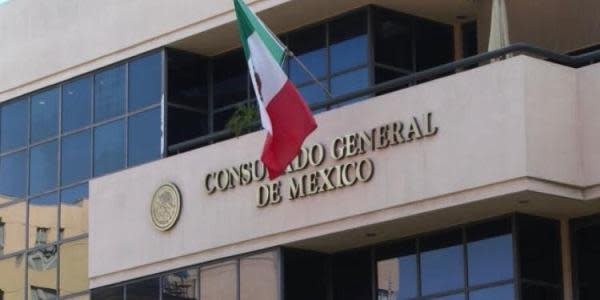
Get Mexican Residency + Consulate Support
By Dez | My Deztination: Mexicos Trusted Residency + Relocation Expert
Every week, someone asks Dez the same question.
"How do I actually get Mexican residency?"
Not the government website version. Not the Reddit thread where everyone contradicts each other. The real answer from someone who has sat with hundreds of clients, prepared their documents, prepped them for their consulate interviews, and been on the other end of the phone when the approval comes through.
This is that answer.

Why residency feels so confusing — and why it doesn't have to
The Mexican residency process has a reputation for being complicated. And it is — but not because the rules are impossible to understand. It's because the rules aren't consistent.
Every Mexican consulate applies them differently.
The financial thresholds vary. The document formats vary. Whether they'll accept English bank statements or require certified Spanish translations varies. Whether they conduct an interview varies. How quickly they process applications varies. Even which consulate you're allowed to apply at — based on where you currently live — is something most people don't realise matters.
That inconsistency is where most DIY applications run into trouble. Someone reads a blog post about what Chicago requires, applies that advice at their local consulate in Indianapolis, and gets rejected for something they had no idea was different.
This isn't a reason to panic. It's a reason to get the right information for your specific situation.
Stop guessing. Get your Mexican residency done right.
Dez tracks real-world requirements across every US and Canadian consulate — so your documents are right the first time, your appointment is booked, and nothing falls through the cracks.
Every consulate is different and approvals are never guaranteed — Dez's job is to maximise your odds with precise documents, wording, and timing. Credit toward any full package never expires.
The most common mistakes Dez sees — and how to avoid them
After guiding hundreds of clients through Temporary and Permanent Residency, these are the patterns that come up again and again.
Applying at the wrong consulate. You must apply at the consulate with jurisdiction over where you currently live. This isn't always obvious, and getting it wrong means starting over.
Financial documents in the wrong format. Consulates have very specific expectations about how bank statements are presented — date ranges, average balance calculations, how investment accounts are treated. Generic advice doesn't account for this.
Missing the canje deadline. Once you arrive in Mexico with your residency visa, you have 30 days to exchange it for your physical residency card at your local INM office. Many people don't know this step exists until after they land.
Name mismatches. If your passport name doesn't exactly match your bank statements or other supporting documents, some consulates will flag or reject the application. Recently married, divorced, or transitioning clients need to know this in advance.
Not knowing what to say in the interview. Some consulates conduct brief interviews. What you say — and what you don't — matters more than most guides acknowledge.
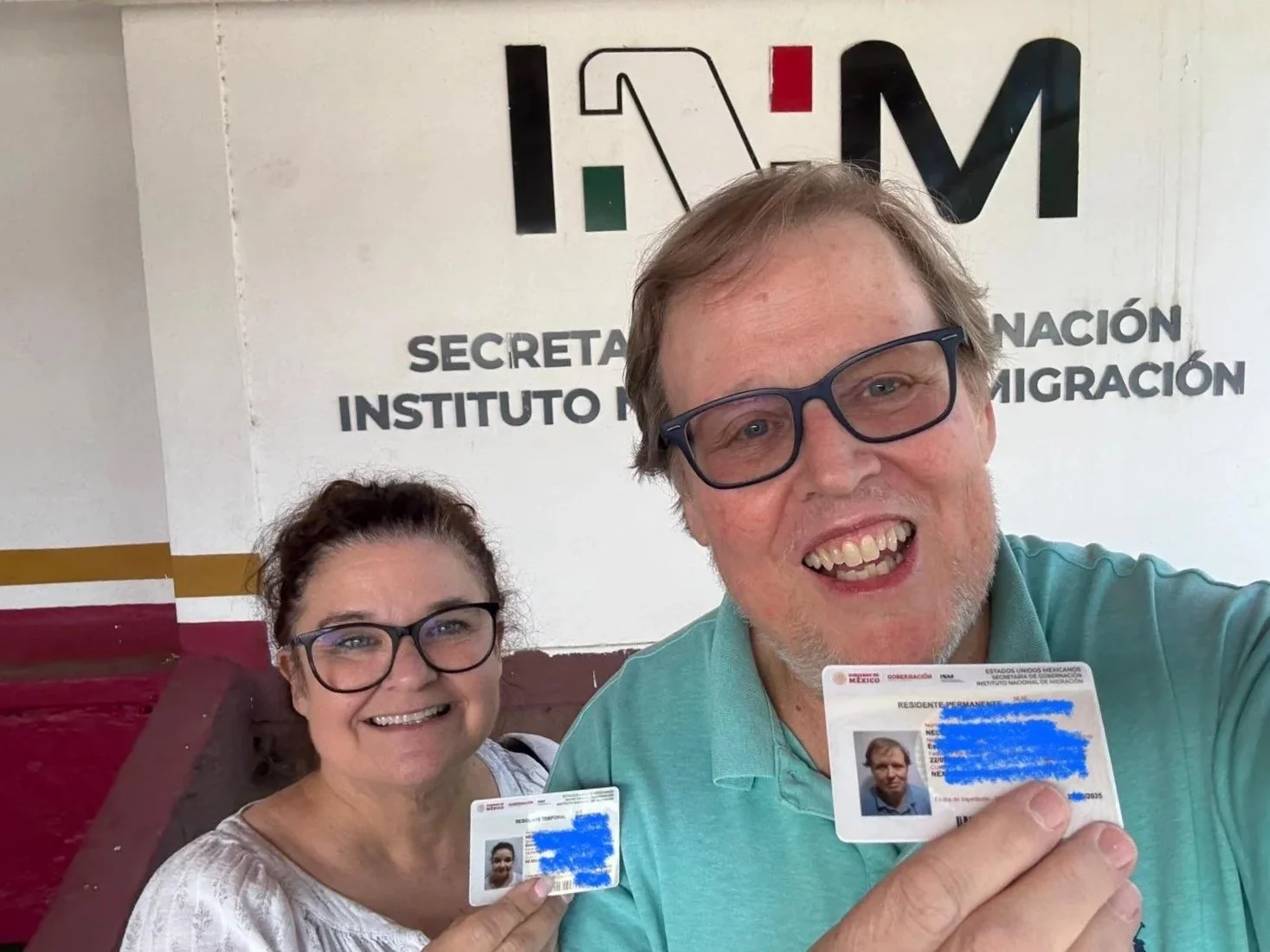
Nona & Phil smiling together after receiving their temporary residency at the INM in Mazatlan, Mexico
What Nona and Phil discovered
Nona and Phil had done their research. They thought they knew what to do. But when it came to booking their consulate appointment, they hit a wall — the appointments simply weren't available through normal channels.
Once they worked with Dez, she identified a consulate with availability, prepared their documents the way that specific consulate expected them, and coached them through the process.
"Dez was able to get us appointments at the Indianapolis Consulate that we could not get ourselves - and even hooked us up with someone in Mazatlán who completed all the immigration documents quickly and easily. We secured our residency cards yesterday and what a great feeling it was." — Nona & Phil Nelson
That's the difference between knowing what the process is and knowing how it actually works.
Every consulate is different. Your prep should be too.
Dez has guided hundreds of people through Temporary and Permanent Residency across the US and Canada. She tracks real-world differences between consulates so you know exactly what to bring, what to say, and how to avoid the mistakes that cause delays.
Credit applies toward any full relocation package and never expires.
What happens after your consulate appointment
Getting approved at the consulate is only step one. Once you land in Mexico, there's a sequence of steps that need to happen in the right order:
Your canje — exchanging your residency visa for your physical card at the local INM office — must happen within 30 days of arrival.
Your CURP (your unique Mexican ID number) is required for almost everything that follows — banking, healthcare, utilities, signing a lease.
Your RFC (tax registration number) is needed if you plan to open a bank account, pay taxes, or run any kind of business in Mexico.
Your bank account — which has its own document requirements that vary by bank and can catch people off guard if they're not prepared.
My Deztination have had all of this completed within seven days of arriving in Mexico. RFC sorted. BBVA account open. Wise set up. Amazon working. That's what having a team who knows the exact order of operations looks like.!
Temporary vs Permanent Residency — which one is right for you?
Temporary Residency is valid for one year, renewable for up to four years. It's what most people start with, and it allows you to live in Mexico, rent property, and work remotely.
Permanent Residency is indefinite — no renewals — but comes with higher financial thresholds. You can qualify directly through retirement income, family ties to a Mexican citizen, or after holding Temporary Residency for four years.
Not sure which applies to your situation? That's exactly what the free discovery call is for.

How we help
My Deztination isn't an immigration law firm. What we offer is practical, real-world relocation expertise - the knowledge of how each consulate actually operates, what documents work, and how to navigate the process efficiently from start to finish.
For cases involving legal complexity, we work with trusted bilingual immigration attorneys and connect you with the right person for your situation.
Our residency support is available as a standalone service or as part of any full relocation package — and the credit never expires.
→ See what's included in our residency support and book your appointment
Not sure where to start?
If you're still in the research phase, the free Mexico Relocation Checklist walks through the entire process — residency, banking, healthcare, housing, pets — so you can see the full picture before committing to anything.
→ Download the free Mexico Relocation checklist
Or book a free 15-minute discovery call and talk through your specific situation with Dez directly.
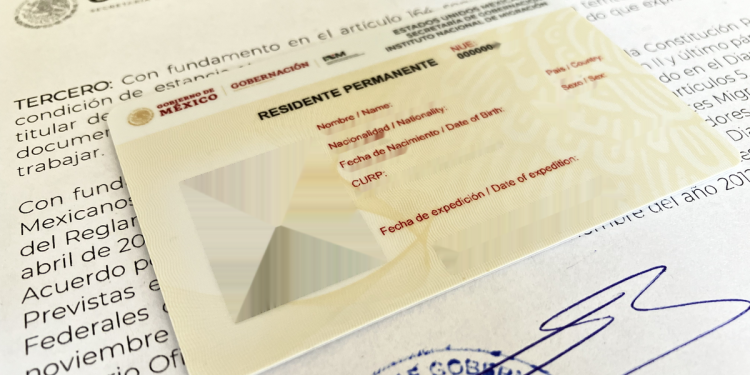
Residente Permanente card issued by the INM
meet dez
Dez | My Deztination
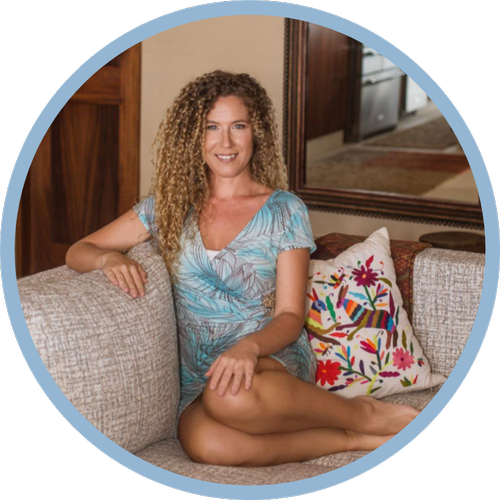
Dez is the founder of My Deztination and Mexico’s trusted relocation advisor. With over seven years living in Mexico, she knows the importance of trustworthy and professional guidance & support. She specializes in personalized consultations, private neighborhood tours, and full-service relocation packages to help clients move to Mexico the easy way.
Frequently Asked Questions
What are the requirements to acquire residency in Mexico?
Most applicants qualify through economic solvency (proving income or savings), a valid passport, and completed consulate forms. Some categories exist for family unity (spouse/child/parent of a Mexican citizen) and for job offers. Requirements vary by consulate, so the exact documents and amounts can differ. See the 2025 solvency chart for typical thresholds.
What is an apostilled (long-form) marriage certificate?
Many consulates require the long-form marriage certificate and an apostille (official international authentication). I’ll tell you exactly which version your consulate wants and how to obtain the apostille so your application isn’t delayed.
Do I need bank statements translated or notarized?
Some consulates accept English originals; others require a Spanish translation and/or notarization. I confirm your consulate’s rules and help you prepare statements (and translations) in the format officers expect.
What should a financial institution letter include?
It should be on official letterhead, signed, and include account type, average balance/history, and current balance. I provide a compliant template and work with you (and your bank) to make sure it meets consulate standards.
Can I work in Mexico on a residency visa?
Temporary Residency doesn’t automatically grant work rights—you may apply for work authorization. Permanent Residents can generally work without restriction. I’ll outline the correct path for your situation.
Can I apply at any consulate or only where I live?
Typically you apply at the consulate serving your place of legal residence, but some consulates accept non-residents. I help you choose realistic locations and prepare for each office’s process.
What is a Mexican residency employment authorization letter?
Some consulates request an employer letter confirming remote work permission from outside your home country. I provide a vetted format so it’s worded the way consulate officers expect.
How much income do I need for Mexican residency?
It varies by consulate. For 2025, many offices request income in the ~$4,000+ USD monthly range or a qualifying 12-month savings average. Check my city-by-city solvency chart for typical amounts.
Which consulate is the easiest for Mexican residency?
“Easiest” depends on your profile. Some offices are stricter with interviews or solvency proof; others are more flexible. I match clients to consulates that fit their situation and prepare them to clear common hurdles.
What bank balance is required for Mexican residency?
Requirements change with policy and exchange rates. Many consulates look for a 12-month average balance for Temporary or Permanent Residency. See the solvency chart for current patterns.
How long does it take to obtain Mexican residency?
From booking the consulate to receiving your residency card (INM in Mexico), plan on a few weeks to a few months, depending on appointment availability and where you’ll finalize the process.
What’s the difference between Temporary and Permanent Residency?
Temporary Residency is typically granted for 1 year and extendable up to 4 years; it’s ideal for newcomers or remote workers. Permanent Residency is indefinite and better for long-term settlement. Solvency thresholds are higher for Permanent.
Can I apply directly for Permanent Residency?
In some cases, yes—higher solvency, retirement, or family ties (e.g., spouse/child who is a Mexican citizen) may qualify you for direct Permanent Residency. I’ll confirm eligibility and the documents your consulate requires.
Why do economic solvency amounts vary by consulate?
Each office interprets the guidelines and updates thresholds as currencies change. I monitor changes across consulates and keep clients aligned with the latest expectations to avoid surprises.
How do I qualify using income vs. savings?
Most consulates let you qualify via consistent monthly income (last 6 months) or a 12-month average balance. You usually choose one path. I’ll review your docs and advise which route is stronger for your profile.
Can I mix income and savings to qualify?
Many consulates require you to meet one pathway fully (income or savings). A few may consider combined evidence, but it’s not guaranteed. I’ll clarify your consulate’s practice and position your paperwork accordingly.
What documents do Mexican consulates ask for?
Common items include passport, photos, bank statements, and (if applicable) marriage/birth certificates, employer authorization letters, translations, and apostilles. I provide a consulate-specific checklist so nothing is missed.
Do I need an immigration lawyer for Mexican residency?
Not usually. With tailored prep and accurate documents, most applicants can succeed without an attorney. My service gives you the numbers, checklists, and templates you need to walk in confident.
Can spouses combine income or savings to meet requirements?
Policies vary. Some consulates require the principal applicant to qualify alone; others allow household finances or a dependents route. I’ll verify your consulate’s stance and show the cleanest path for couples.