Beyond the Headlines: Understanding the Reality of Safety in CDMX
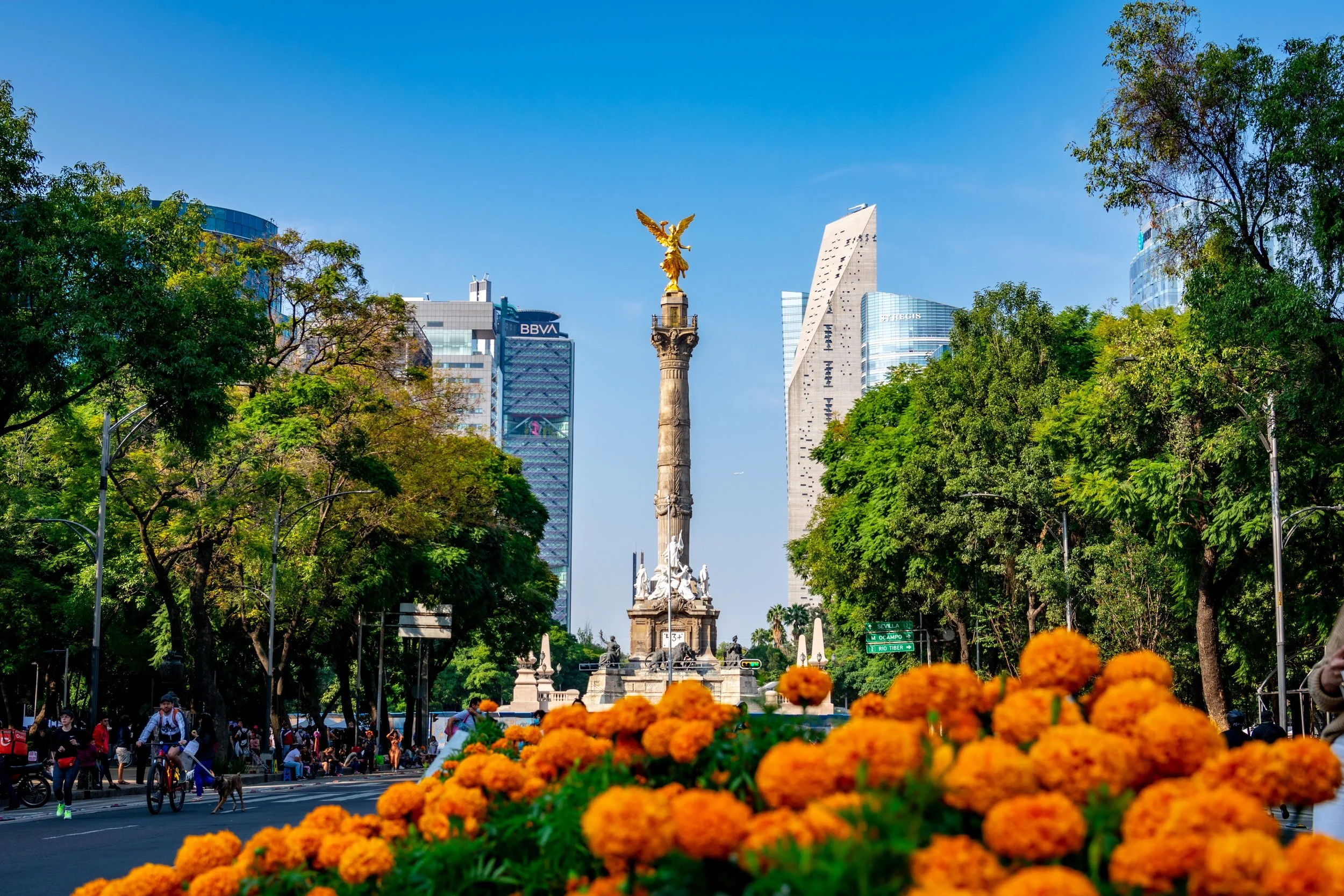
"Is Mexico City safe?" is the first question every potential expat asks — and the fear behind it is almost entirely built on headlines that have nothing to do with Mexico City.
Mexico is a vast, geographically diverse country, and that distinction matters enormously. The cartel-driven violence that dominates international news coverage is concentrated in specific border states and regional hotspots — places like Tamaulipas, Sinaloa, and Guerrero. Mexico City operates in a fundamentally different context: it's a sprawling federal metropolis of over 21 million people, with its own autonomous government, police force, and security infrastructure that functions independently from the dynamics driving rural and border-state crime.
The U.S. Department of State classifies Mexico City at Level 2: Exercise Increased Caution — the same rating assigned to France and the United Kingdom. That's a critical data point that rarely makes it into the conversation.
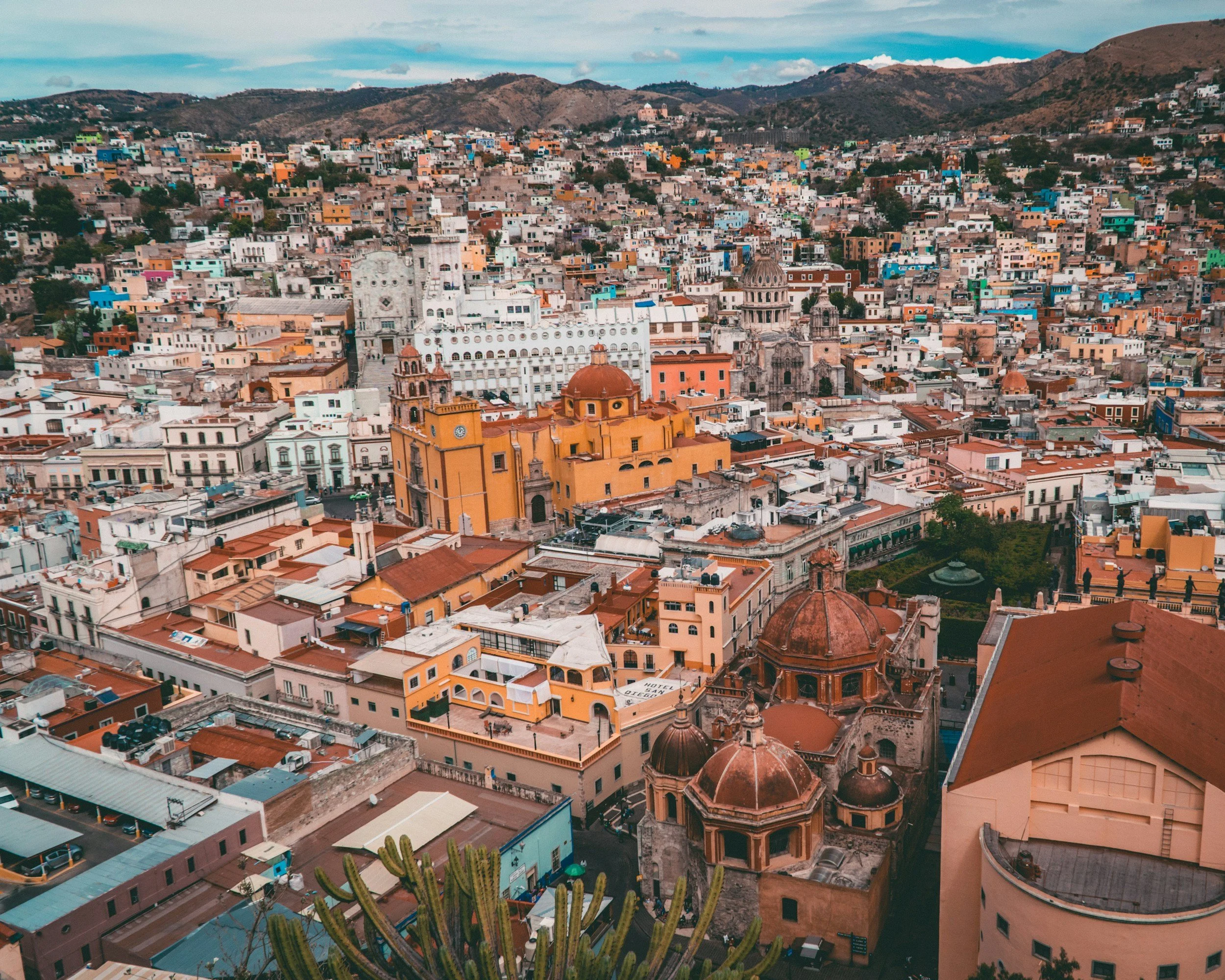
There's also the concept of localized safety to consider. Mexico City is not a monolith. Neighborhoods like Roma Norte, Condesa, and Polanco operate as genuinely walkable, cosmopolitan environments. Evaluating the entire city by its most vulnerable outlying areas is no more accurate than judging New York City by its highest-crime boroughs.
The real answer to the safety question isn't emotional - it's empirical. And the data, examined honestly, tells a more encouraging story than most people expect. The numbers behind that story have been shifting in a meaningful direction.
The Data Shift: Why Mexico City's Crime Rates are Plummeting
Mexico City's violent crime picture has changed dramatically — and the numbers make a compelling case for anyone asking whether Mexico City is safe right now.
Between 2019 and 2023, Mexico City's homicide rate dropped by nearly 50%, according to data from Mexico's National Public Security System (SESNSP). That is not a minor statistical blip. It represents a sustained, multi-year decline that has brought the city to its lowest murder rate in over 15 years — a fact that rarely makes international headlines, yet matters enormously for anyone evaluating a move abroad.
The infrastructure behind the drop is worth understanding. The city government invested heavily in an expanded network of security cameras across high-traffic neighborhoods, growing its surveillance system to over 58,000 cameras citywide. Coordinated police patrols in key residential and commercial corridors — particularly in areas popular with expats like Roma, Condesa, and Polanco — have become a visible, daily reality. In practice, these aren't cosmetic changes; they correlate directly with the sustained crime reduction the data reflects.
For Americans wondering specifically whether Mexico City is safe for Americans right now, the answer the current data supports is meaningfully more encouraging than the narrative from even five years ago. The trend line is moving in one clear direction. That context matters — but so does comparison. How do Mexico City's numbers actually stack up against cities back home? That's where the picture gets genuinely surprising.
Mexico City vs. The United States: A Surprising Statistical Comparison
For anyone asking is Mexico City safe right now, the most clarifying exercise is a simple side-by-side comparison with American cities — because the numbers consistently challenge the narrative.
Mexico City is statistically safer than several major U.S. cities when measured by per capita violent crime. According to Bloomberg CityLab and the Council on Foreign Relations, Mexico City's violent crime rate falls below that of St. Louis, Baltimore, and New Orleans — all cities Americans visit or live in without a second thought. For context:
St. Louis, MO — consistently ranks among the top five most dangerous U.S. cities by homicide rate
Baltimore, MD — averages a homicide rate that rivals cities in developing nations
New Orleans, LA — violent crime rates significantly exceed CDMX's per capita figures
Mexico City — sits closer to mid-tier U.S. metros in comparative safety data
The NYC comparison deserves nuance. New York City's crime rate is genuinely low for its size, and Mexico City carries slightly higher petty theft risk in tourist-heavy zones. However, for expats relocating from mid-sized American metros — think Memphis, Little Rock, or Albuquerque — the move to Mexico City often represents a measurable safety improvement.
On the advisory front, Mexico City carries a U.S. State Department Level 2 "Exercise Increased Caution" rating — the same designation applied to France, Germany, and the United Kingdom. That context alone reframes the conversation entirely.
Understanding where crime concentrates within the city is what truly separates risk from perception — and that's a story told neighborhood by neighborhood.
Download the FREE Mexico Relocation Checklist
Before you book flights, ship belongings, or start apartment hunting...
Make sure you understand:
- Residency options
- Banking & RFC requirements
- Healthcare & insurance
- Housing & neighborhoods
- Pet relocation
- What to do before and after arrival
Thousands of people dream about moving to Mexico.
The people who succeed usually have a plan.
The Micro-Geography of Safety: Where Expats Actually Live
Mexico City’s safety story is fundamentally a story about geography — and understanding that geography answers most of the questions tourists and expats have before arriving.
"Mexico City" is not one place. It is 16 distinct boroughs (alcaldías), each with its own character, infrastructure, and risk profile. According to data from the Enquesta Nacional de Seguridad Pública Urbana (ENSU), over 75% of the city's crime is concentrated in non-residential boroughs that expats and tourists rarely — if ever — set foot in. The neighborhoods where the international community actually lives, works, and socializes represent a dramatically different reality.
This matters enormously when evaluating whether Mexico City is safe for tourists. A headline crime statistic that aggregates all 16 boroughs obscures the fact that specific enclaves operate at safety levels comparable to major European capitals. Private security firms, neighborhood watches, and dedicated police patrols concentrate resources in exactly the areas that draw foreign residents and visitors.
The safe zones expats gravitate toward include:
Polanco — The city's most affluent district, with a dense private security presence, high foot traffic from international businesses, and some of the lowest street-crime rates in CDMX.
Roma Norte — A walkable, café-lined neighborhood popular with digital nomads; well-lit streets and active community policing make it consistently low-risk.
Condesa — Immediately adjacent to Roma Norte and sharing its security profile, this tree-canopied barrio sees heavy pedestrian activity that naturally deters opportunistic crime.
Lomas de Chapultepec — A residential hillside enclave where gated streets and private security infrastructure create an environment closer to a managed community than an open urban neighborhood.
Understanding this micro-geography is the single biggest adjustment most newcomers make when assessing Mexico City. The risk calculus shifts again, however, the moment you cross outside the capital's boundaries — something the next section addresses directly.
Navigating the Surrounding States: A Regional Risk Assessment
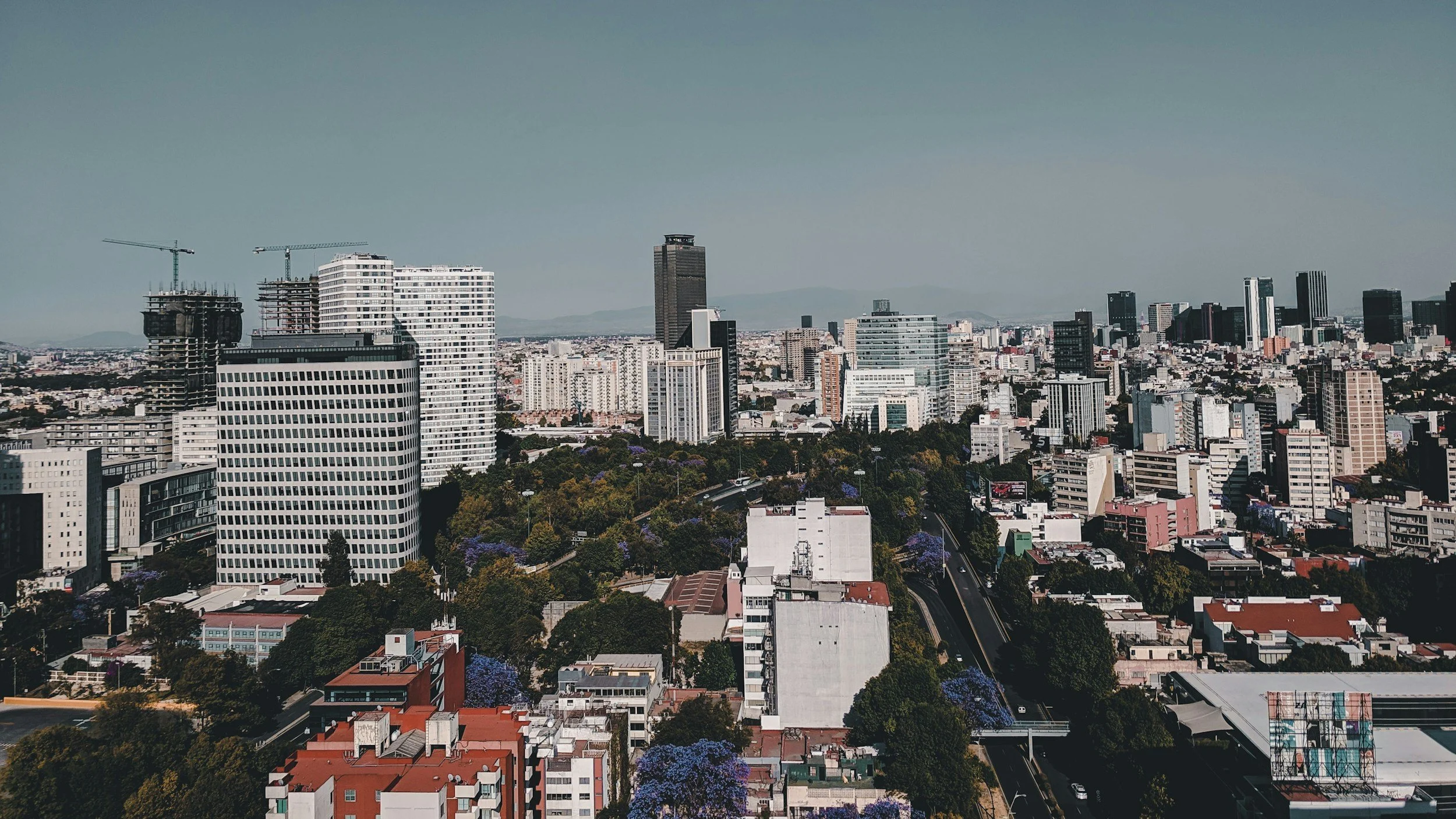
One of the most important distinctions for anyone asking is it safe in Mexico City is understanding that Mexico City and the State of Mexico (Edomex) are two entirely separate political and security jurisdictions — and confusing them leads to seriously flawed risk assessments.
CDMX functions as a secure island within a region of uneven safety. The U.S. Department of State assigns higher warning levels to Edomex than to the federal district itself — a critical detail that rarely surfaces in mainstream travel coverage. When headlines describe danger near the capital, they are frequently referencing Edomex, not Mexico City.
For expats planning weekend escapes, travel corridor matters enormously. Routes northwest toward Valle de Bravo involve passing through areas of Edomex where the State Department advisory flags elevated risk. By contrast, heading northeast to Querétaro — a colonial city with its own strong safety profile — follows a well-traveled highway corridor that expats routinely use without incident. In practice, the direction you leave the city shapes your risk exposure more than the distance traveled.
The safest approach is to research each destination's state-level advisory independently rather than assuming the capital's relative calm extends uniformly in every direction. Guanajuato, Puebla, and Querétaro tend to receive more favorable assessments, while certain routes through Guerrero or parts of Edomex carry genuinely elevated risk. With that regional picture established, it becomes easier to put the capital's own safety record in its sharpest focus — which is exactly where the data leads next.
The Bottom Line: What You Need to Know About mexico city Safety
Mexico City's safety profile is far more nuanced — and far more favorable — than the headlines suggest, and the data makes a compelling case for expats willing to look past the noise.
CDMX is statistically safer than several major U.S. cities on a per-capita basis, a fact that consistently surprises prospective residents. When framing the mexico city vs nyc safety debate, for instance, New York City's overall crime index and certain violent crime rates compare less favorably than many assume. The U.S. Department of State assigns Mexico City a Level 2 advisory — "Exercise Increased Caution" — the same rating applied to the majority of Western Europe, including cities like Paris and London. That context alone reframes the conversation entirely.
The trajectory of crime within the city reinforces this picture. Violent crime in CDMX has fallen roughly 50% since 2019, and crucially, the incidents that do occur are concentrated in peripheral areas well outside the neighborhoods where expats and tourists realistically live and travel. As Lonely Planet notes, awareness of where you are in the city matters far more than blanket caution.
In practice, the precautions required are standard big-city common sense: use Uber or a trusted private car service rather than hailing street taxis, avoid poorly lit areas after midnight, and stay oriented to expat-friendly colonias. These are the same habits a sensible traveler would apply in Chicago, Rome, or São Paulo.
The city rewards those who approach it with calibrated awareness rather than unfounded fear. And for those making the leap to full-time residency, navigating that transition smoothly is a matter of having the right local knowledge on your side — which is exactly where expert guidance becomes invaluable.
Thinking About Mexico City?
Moving to Mexico City isn't just about finding an apartment. It's about finding the neighborhood that fits your lifestyle, understanding residency requirements, navigating healthcare and banking, and building a life that actually feels good.
At My Deztination, we help retirees, families, remote workers, and adventurous souls relocate with confidence. Ready to explore Mexico City with an expert by your side?
- Personalized relocation consultations
- VIP neighborhood tours
- Residency & bureaucracy support
- Housing guidance & trusted local contacts
- Ongoing support after you arrive
Moving with Confidence: The Role of Expert Guidance
Mexico City is genuinely safe for expats who relocate strategically but the complexity of that relocation still demands local expertise to get right.
Knowing a city is safe and knowing how to settle into it safely are two very different things. Even well-researched expats face real friction points: navigating residency visa categories, identifying which colonias actually deliver on their promise of security and amenity, and avoiding lease agreements that favor landlords over foreign tenants. These aren't safety risks in the traditional sense — they're administrative and lifestyle risks that quietly erode quality of life if left unmanaged.
This is where professional relocation guidance changes the outcome. A concierge-style relocation service focuses housing searches exclusively on high-security, high-amenity neighborhoods — the Polancos, Condesas, and Romas of Mexico City — so expats never inadvertently compromise on location. That targeted approach removes one of the last genuine variables from the equation.
My Deztination specializes in exactly this intersection: residency paperwork, curated neighborhood guidance, and the kind of on-the-ground knowledge that no travel forum can replicate. For affluent expats weighing a move to Mexico City, that partnership translates directly into confidence — not just about safety, but about landing in a version of Mexico City that delivers world-class dining, culture, and community from day one.
The data has made the case. The only question left is how well your move is planned.
GET $50 OFF YOUR RELOCATION PACKAGE
Book your Essentials or VIP package this month and receive $50 USD OFF—no matter where you're headed or why you're moving.
Use code: MOVETOMEXICO at checkout
This is your sign to move forward with peace of mind—and the right support.
Book Your Relocation Consultation NowLet’s Build Your Aligned Move Together
If you're ready to stop guessing and start getting real support:
👉 Book your relocation consult here
Or grab my free checklist to stay on track:
👉 Download it here
meet dez

Dez, the founder of My Deztination
Mexico’s trusted relocation advisor. With over seven years living in Mexico, she knows the importance of trustworthy and professional guidance & support. She specializes in personalized consultations, private neighborhood tours, and full-service relocation packages to help clients move to Mexico the easy way.
Mexico Safety FAQ 2026
Is Mexico City Safe?