
Most people who are thinking about moving to Mexico start their research the same way
By Dez | My Deztination: Mexicos Trusted Residency + Relocation Expert
They look up monthly cost of living. They join Facebook groups. They read articles about couples living comfortably on $2,000 a month. They find someone in the comments who says they're doing it on $1,400. They start to think, I can actually do this.
And they might be right. You really can live well in Mexico for significantly less than in the United States or Canada.
But here's the part that catches people off guard: what it costs to live in Mexico and what it costs to move to Mexico are two completely different numbers.
I've helped hundreds of people make this move, and the most common financial mistake I see isn't overspending on rent or dining out too often. It's arriving without enough accessible cash to cover the expenses that cluster in the weeks and months surrounding the actual move. Deposits. Residency fees. Setup costs. And the things nobody budgets for because nobody could predict them from across the border.
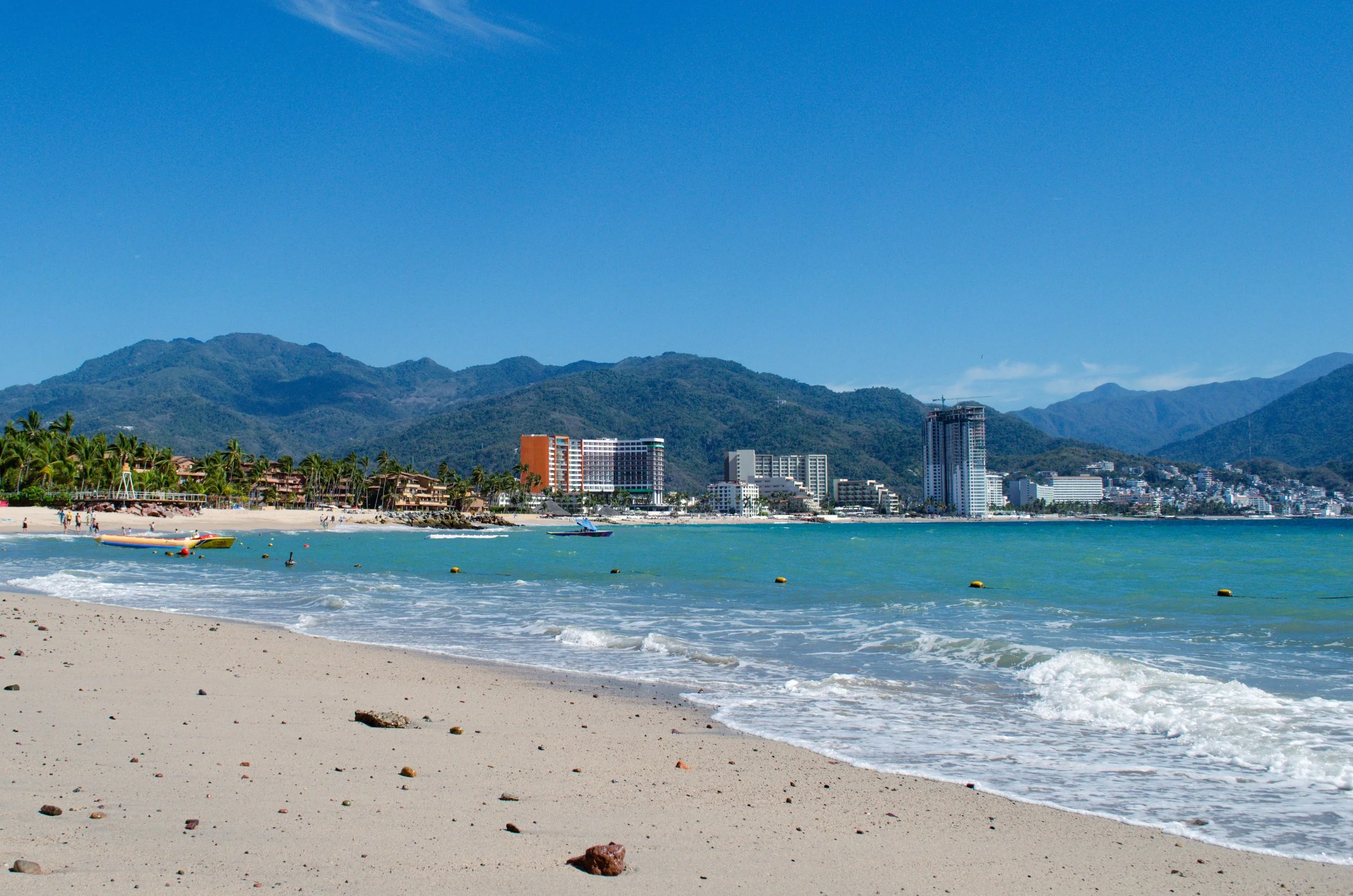
In this article, I want to walk you through a real example. I'll call them Tara and Derek—a married American couple who relocated to Puerto Vallarta in August 2026. Their move illustrates everything I try to prepare clients for: the life they needed to build, the numbers it actually took, the surprises they didn't see coming, and the decisions that helped them handle those surprises without losing their footing.
I'll also share the framework I use with every client to build a budget that reflects their actual life—not someone else's Facebook comment.
Note: I was recently interviewed by Ken at MexPat Guide about real relocation costs, and that feature covers some of this ground from his editorial angle. You can read that piece here. What I want to do in this version is go deeper—into the framework, the philosophy, and the parts of Tara and Derek's story that tell a fuller picture.
If you're looking for what life in Puerto Vallarta costs month to month, I've covered that separately - Cost Of Living In Puerto Vallarta 2026

At a Glance: What Did Tara and Derek's Move Actually Cost?
Before we go into the story, here's a snapshot. These are real figures from a real relocation—not estimates from a Facebook group, not numbers from three years ago.
| Expense | Approximate Cost |
|---|---|
| Monthly rent (3-bedroom, furnished) | 38,000 MXN/month |
| First month's rent | 38,000 MXN |
| Refundable security deposit | 38,000 MXN |
| Last month's rent (advance) | 38,000 MXN |
| Cash committed to secure housing alone | 114,000 MXN |
| VIP relocation planning and support | $10,000 USD |
| Consulate visa applications (per person) | ~$54 USD/person |
| Immigration professional assistance (canje) | 5,000 MXN/person |
| 1-year Temporary Residency government fee (2026 rate) | 11,141 MXN/person |
| Grocery stocking before arrival | ~4,658 MXN |
| Under-sink water filtration system | ~7,000 MXN + IVA |
| English-speaking house-call doctor + treatment | Under ~2,000 MXN |
| Cost of a second move (avoided through negotiation) | New deposits + advance rent + potential lost money — avoided |
And that's still not the full picture. It doesn't include every flight, scouting expense, household purchase, or the ongoing planning for Tara's mother, who intends to join them—bringing her own residency process, healthcare research, and costs.
The number most people miss is this: 38,000 MXN was their monthly rent. It was not the amount of money they needed to move to Mexico. To secure the rental alone, they needed 114,000 MXN upfront before their first month even began.
Tara and Derek: The Move in Full
Tara and Derek are a married American couple who relocated to Puerto Vallarta in August 2026. They were planning a permanent life in Mexico not an extended vacation and they came with a clear picture of what that life needed to look like.
They needed a three-bedroom home, including a downstairs bedroom for Tara's mother, who plans to join them. They wanted to feel safe, have good medical care nearby, be close to everyday shopping, and have enough walkability that they weren't completely dependent on a car.
After a scouting trip and housing search, we found them a furnished three-bedroom home in Puerto Vallarta for approximately 38,000 MXN per month.
What makes their story useful isn't that their budget was unlimited—it wasn't. They were thoughtful about where money went. We saved where it made sense. But we also identified early on which parts of the relocation were worth spending on upfront, because getting them wrong would cost far more later.

Residency: More Than a Single Appointment
Residency planning started months before they ever booked a flight.
We structured their application so Tara qualified on financial solvency and Derek could qualify through her—but that required planning their finances in advance and maintaining qualifying funds and documentation over the required period. This is something people often overlook: residency can have a financial timeline that begins long before you pay an immigration fee.
At the consulate, they each paid approximately $54 USD for the visa application. Once in Mexico, the canje process—exchanging those visas for their temporary resident cards—cost 5,000 MXN per person for professional immigration assistance, plus the 2026 government fee of 11,141 MXN per person.
So for a couple, residency isn't a $54 appointment. It's the consulate fee, the government fees in Mexico, professional support, document preparation, and potentially months of financial planning before that appointment even happens.
And for this family, immigration isn't finished. Tara's mother is expected to join them later, which means another residency process and another set of costs to plan for when the time comes.
Healthcare: Research Before You Need It
Because of pre-existing conditions in the family, private health insurance could be expensive. So we explored whether paying routine medical expenses out of pocket while protecting against larger emergencies made more financial sense.
From their experience in Puerto Vallarta: a general doctor visit around 500 MXN, a rheumatology visit around 700 MXN, basic imaging like an X-ray around 900 MXN. Many medications cost several hundred pesos.
These are examples from one family's experience—not universal prices. Healthcare costs vary by provider, location, and what's needed.
Shortly after arriving, illness became an early test. Rather than navigating an unfamiliar system while unwell, we arranged an English-speaking doctor to come directly to their home. The house call was approximately 1,000 MXN. Medications and additional treatment brought the total to under 2,000 MXN. That's one of the advantages of knowing who to call before you need to call them.
The Surprise Nobody Could Have Predicted
After Tara and Derek moved into their home, they discovered that nearby after-hours clubs produced significant bass and music overnight. The house had looked wonderful during daytime showings—because this isn't a problem you can reasonably discover during a normal viewing.
They loved the home and had a good relationship with the owners. But sleep was becoming genuinely difficult, and we had to seriously evaluate breaking the lease.
Suddenly, one unexpected problem had the potential to trigger another housing search, another round of deposits and advance rent, and potentially the loss of money already committed to the first property.
Rather than immediately walking away, I worked with their realtor and negotiated directly with the owner. The owner didn't want good tenants to leave over a fixable problem. We were ultimately able to arrange installation of soundproof windows that sufficiently reduced the noise and allowed them to stay in the home they loved.
That solution potentially saved them thousands of dollars—and saved them from starting their housing search all over again.
I've seen the same principle in different forms with other clients. A pool in a rental became 20,000 MXN for a child-safety fence before the home worked safely for one family. Another client needed specialized pet transportation. Another discovered the rental's water pressure wasn't adequate. These aren't disasters. But they are expenses nobody puts on the spreadsheet, because you can't predict them from across the border.
That's why a contingency reserve isn't only for emergencies. It's for options.

Being Able to Afford Mexico Isn't the Same as Being Financially Ready to Move There
This is the lesson I try hardest to communicate before anyone books a flight.
Relocation expenses don't arrive neatly over twelve months. They cluster. In the weeks surrounding a move, you may simultaneously be paying housing deposits, residency fees, travel costs, household setup, groceries, water filtration, and transportation—while still paying some obligations back in the United States.
Tara and Derek arrived in Puerto Vallarta on August 11, 2026. But a significant amount of the financial and logistical work had already happened before they stepped off the plane. We coordinated the property and lease, internet, water filtration, grocery stocking, airport transportation and a home handoff in advance—so they arrived at a functioning home rather than landing exhausted in another country with a long to-do list.
They had maintained enough accessible reserves that the concentrated spending didn't become an emergency. That gave them real options when the noise issue appeared. They could evaluate what was best for their quality of life, rather than being forced into a panicked decision because they couldn't afford another solution.
You might have a retirement account, own a home in the US, or have monthly income that comfortably supports your life in Mexico. That doesn't necessarily mean you have enough accessible cash at the moment all these relocation expenses come due at once.
I encourage people to think about cash flow—not just net worth. And I'd suggest mapping it on a timeline:
What will I need to pay 6–12 months before moving? (Residency planning, scouting trips)
What becomes due when I secure housing? (Deposits, advance rent)
What has to be paid in the final 30–60 days? (Airfare, setup, professional support)
What expenses in the US will temporarily overlap with Mexico expenses?
How much accessible cash will still be available after all of that?
That exercise usually gives a much more realistic picture than asking "Can I live in Mexico on $X per month?"
The Gatekeeper: Where Spending Money Early Saved Money Later
One of the things I'm most deliberate about with my clients is what I'd call being a gatekeeper for their money.
When you move to a country where you don't yet know what things should cost, which vendors are trustworthy, what bureaucracy actually needs to happen now, or which problems require immediate action—it's very easy to overpay, or to pay for something you don't need at all.
Before a client spends money, my team is asking: Is this necessary? Is this a reasonable price? Do we trust this provider? Does it need to happen now? Is there a better solution?
The water filtration system is a straightforward example. We arranged a trusted local professional, and the system cost approximately 7,000 MXN plus IVA. Without local contacts or market knowledge, a newcomer has no easy way to know whether a quote is fair. The value isn't necessarily finding the cheapest option—it's knowing you're paying a reasonable price for someone we trust to do it correctly.
The housing problem became a much larger example. When the nighttime noise appeared, the obvious reaction was to start looking for another house. But we stopped first and asked: Is there another solution? It turned out there was. We found it, negotiated it, and Tara and Derek stayed put.
Sometimes the most valuable thing isn't negotiating a lower price. It's preventing someone from having to pay for the same stage of their relocation twice.
Timing matters just as much. Their relocation developed over roughly a year and a half. We didn't try to complete—or pay for—everything on day one. We handled things in sequence based on when they were actually needed. Planning first. Residency at the right time. Housing closer to the move. Arrival setup once the home was secured. Other administrative needs after they were established.
That sequencing continues. Tara's employment circumstances have since changed, so we're now coordinating the right professionals for Mexican work authorization, RFC/SAT registration, banking, and US–Mexico cross-border tax planning. Those weren't expenses that needed to be rushed months earlier, before we knew whether they'd even apply.
My biggest advice about what can wait: don't spend money solving a future problem until you know what the future problem actually is.
Let's figure out what your move actually costs.
I work through this three-bucket framework with every client at My Deztination — understanding the life you're trying to build, then working backward to create a realistic relocation plan around your priorities, timeline, and budget.
If you're in the early stages and want to understand what your move would actually involve, a Discovery Call is the right place to start.
BOOK A FREE DISCOVERY CALLDOWNLOAD THE FREE CHECKLIST
The Three-Bucket Framework for a Realistic First-Year Budget
People ask me for a Mexico cost-of-living number almost every day. My answer is always the same: it depends on the life you're actually trying to build.
A single remote worker living in an inexpensive studio is working with a completely different budget than a retired couple caring for an elderly parent with rheumatoid arthritis. A young couple relocating with a two-year-old has different priorities again. A multigenerational family supporting aging parents and an adult child with specialized healthcare needs has yet another set of needs. All of these people can live in Mexico. But they aren't living the same life in Mexico, so giving them the same budget would be meaningless.
That's why I don't start with "How much does Mexico cost?" I start with: What does your life need to look like for this move to actually work?
Once I understand that, we work backward. Which cities fit? What kind of housing is needed? Do you need a car or walkability? Private healthcare or specialist access? Schools? Pet care? Frequent flights back to the US? Will you rent or buy?
Your values create your lifestyle. Your lifestyle creates your budget—not the other way around.
That's why I'm cautious when someone tells me, "I saw online that you can live in Mexico for $1,500 a month." Maybe someone can. The more important question is whether you can build the life you actually want for $1,500 a month. Sometimes yes. Sometimes the answer is adjusting the budget, the city, the neighborhood, or the timeline—rather than forcing your life into an arbitrary number from the internet.

Here's the framework I use to build a first-year budget with every client.
Bucket 1: Your Normal Monthly Life in Mexico
This is the number most people research first: rent, utilities, groceries, transportation, healthcare, entertainment, and everyday spending.
It matters—but it's only the cost of living here after your life is established. And it will be unique to you, your household, your health needs, your expectations, and what you're genuinely willing to trade and what you're not.
Bucket 2: Your Relocation and Setup Budget
This is the money required to get from your current life into your new one. Depending on your household, that can include:
Scouting trips
Residency, immigration, and family unity fees
Professional relocation support
Airfare and temporary accommodation
Housing deposits and advance rent
Moving, shipping, or pet relocation
Household setup and utilities
Water filtration, appliances, and internet
Healthcare preparation
Banking setup
I'd also subtract any money you realistically expect from the transition. Clients who sell vehicles, furniture, and household belongings rather than shipping them often substantially offset their relocation costs. Those decisions change the budget significantly.
Calculate this money separately from your monthly living expenses. They are two different numbers.
Bucket 3: Your Contingency Reserve
This is money I don't want fully allocated before you arrive.
There's no single universal number I'd recommend—a healthy reserve for a healthy single person in a furnished apartment is very different from what I'd want available for a family relocating with children, pets, significant medical needs, or multiple financial obligations.
Instead, I ask people to price their most expensive realistic problem:
If your rental unexpectedly didn't work, could you afford another deposit and temporary housing without panicking?
If you needed to return to the United States, could you buy the flights?
If your belongings were delayed, could you function for several weeks?
If your move took three months longer than expected, could you continue supporting life on both sides of the border?
Your contingency reserve should be large enough that one realistic problem doesn't threaten the entire relocation.
A contingency fund isn't money you're planning to spend. It's money that gives you choices.
That's exactly what it did for Tara and Derek. When the noise problem appeared, they could focus on finding the right solution. They had options. They didn't have to make a desperate financial decision. And ultimately, we found a solution that let them stay in the home they already loved.
ONE MORE PRACTICAL NOTE
Get current, individualized quotes before you commit to a move. Don't build a 2026 relocation budget around what someone paid in a Facebook group three years ago.
And don't assume another expat's budget should be yours. A retired couple moving into a furnished apartment in Lake Chapala has a very different financial picture from a working family relocating to Mexico City, or someone moving to Puerto Vallarta with pets, a vehicle, and an aging parent who needs specialized medical care.
The Question Worth Asking
After helping people through more of these moves than I can count, the lesson I see most consistently is this:
The monthly cost of living in Mexico and the cost of moving to Mexico are two completely different numbers. You can be perfectly capable of affording life here and still be financially unprepared for the transition.
So the question isn't really "How much does it cost to move to Mexico?"
The better question is: What will it cost to build my life in Mexico and what needs to be in place so that one surprise doesn't derail it?
A well-planned relocation is a series of decisions made in the right order. Once you know what needs to happen now, what can wait, and who you can trust locally to help with each piece, the process becomes genuinely manageable.
The goal isn't unlimited money. It's to arrive with a realistic plan, spend intentionally, maintain enough flexibility for the unexpected, and make sure the life you're building in Mexico is financially sustainable once the excitement of the move settles into your real daily life.
meet dez

Dez, the founder of My Deztination
Mexico’s trusted relocation advisor. With over seven years living in Mexico, she knows the importance of trustworthy and professional guidance & support. She specializes in personalized consultations, private neighborhood tours, and full-service relocation packages to help clients move to Mexico the easy way.
Mexico Relocation Budget FAQs
How much money do I need to move to Mexico?
There's no single answer—it depends entirely on your household, lifestyle, health needs, and where you're moving. What most people underestimate is that the move itself requires a separate budget from your monthly living expenses. Before you can settle into $1,800 a month in Mexico, you'll likely need to cover deposits, advance rent, residency fees, professional support, travel, and household setup all at once. A realistic first-year budget has three parts: your monthly life, your relocation costs, and a contingency reserve.
What's the difference between cost of living and cost of moving to Mexico?
Cost of living is what you'll spend each month once you're established—rent, food, utilities, healthcare, entertainment. Cost of moving includes everything required to get established in the first place: deposits (often two to three months of rent upfront), residency fees, relocation support, flights, household setup, and a reserve for the unexpected. These are two completely different numbers, and confusing them is one of the most common financial planning mistakes people make before relocating.
How much should I budget for residency and immigration in Mexico?
For a couple applying for Temporary Residency in 2026, expect roughly $54 USD per person at the consulate, 5,000 MXN per person for professional immigration assistance during the canje in Mexico, and 11,141 MXN per person for the one-year government fee. Government fees change annually—always confirm current figures before budgeting. And remember, residency planning may also involve months of financial preparation before your appointment.
How much deposit do I need for a rental in Mexico?
Most rentals in Mexico require first month, last month, and a security deposit upfront—so three months of rent committed before you move in. On a 38,000 MXN/month rental, that's 114,000 MXN tied up in housing before your first month even begins. This varies by property and landlord, but three months' cash upfront is a reasonable baseline for budgeting.
What unexpected costs should I plan for when moving to Mexico?
The most common surprises include housing setup costs (water filtration, appliances a furnished rental doesn't include), early healthcare expenses, things discovered after move-in that a daytime viewing wouldn't reveal (noise, pests, water quality), and costs from US obligations that overlap with your new Mexican expenses during the transition period. Building a contingency reserve before you arrive—money that isn't allocated to anything specific—is the single best way to handle what you can't predict.
Is it worth hiring a relocation specialist in Mexico?
For many people, yes—and the value often shows up in what you avoid rather than what you receive. A good relocation specialist helps you sequence decisions correctly, prevents you from overpaying for services you don't yet have local knowledge to price, and can often negotiate solutions to problems that would otherwise cost you significantly more. The money most people save on a single avoided mistake or second move often covers the cost of the support itself.
Can I live in Mexico on $1,500 USD a month?
Some people can—but the more important question is whether you can build the life you want in Mexico on $1,500 a month. That depends on your location, housing expectations, healthcare needs, lifestyle, and what you're not willing to compromise on. Mexico has a wide range of cost levels, and fitting someone's life into an arbitrary number they found online often leads to disappointment or a move that doesn't feel like what they imagined. Start with what you need your life to look like, then build the budget around that.
How long does it take to financially settle in after moving to Mexico?
Most clients find their spending stabilizes after the first three to six months once one-time setup costs are behind them and residency is sorted. The first few months involve the most concentrated spending—deposits, setup, residency fees, healthcare research—and things genuinely do calm down once you're established. Having that contingency reserve in place is what prevents early hiccups from becoming financial crises during that settling-in period.