

A Smart, Calm Guide for Expats in 2026
By Dez | My Deztination: Mexicos Trusted Residency + Relocation Expert
Moving abroad is one of the most exciting decisions you can make.
It’s also one of the most emotionally charged.
When headlines spike, social media explodes, or someone in your life says, “Is that really safe?”, your nervous system can start making decisions for you.
But relocating to another country - whether Mexico or anywhere else — should never be based on panic or fantasy.
It should be based on perspective.
Let’s talk about how to evaluate risk intelligently, calmly, and without fear-based thinking.

Step 1: Separate Headlines from Reality
Headlines are designed to capture attention.
They are not designed to give you full context.
When evaluating a country like Mexico, ask:
Was the incident localized or widespread?
Was it random or connected to a specific event?
How quickly did authorities respond?
Did life return to normal shortly after?
Every country experiences security incidents.
The United States has mass shootings.
France has terror incidents.
The UK has riots.
Canada has violent crime.
Mexico has cartel-related activity.
The presence of incidents does not define the daily lived experience of millions of residents.
Look for patterns, not isolated spikes.
Step 2: Compare Like with Like
A common mistake in relocation decisions is comparing:
Your safest suburb
to
Another country’s worst headline.
Instead, compare:
Similar-sized cities
Similar lifestyle neighborhoods
Similar population density
Similar socioeconomic regions
For example:
If you’re considering Puerto Vallarta, compare it to a U.S. coastal tourist city - not to a rural Midwestern town.
Context matters.
How My Deztination Helps You Find Your Right-Fit Location
Our VIP Experience includes a curated 3-hour neighborhood tour—designed to help you discover the places, people, and pace of life that align with your vision.
- 1:1 consultation based on your lifestyle & goals
- Custom itinerary tailored to your values & needs
- Local insights you won’t find on Google
Step 3: Understand the Type of Risk
Not all risk is the same.
There is:
Targeted criminal activity
Organized crime related to law enforcement operations
Petty theft
Natural disasters
Infrastructure risk
Political instability
Ask yourself:
Does this risk apply to someone living quietly, paying rent, grocery shopping, and walking the Malecón?
Or is it tied to criminal networks and federal operations?
The difference is significant.
Step 4: Look at Institutional Response
No country eliminates risk entirely.
What matters is:
Speed of response
Coordination between agencies
Transparency in communication
Restoration of services
When public transportation resumes quickly…
When arrests are made…
When hospitals remain operational…
When government updates are clear…
That reflects institutional strength.
And institutional strength is what supports long-term stability.
Step 5: Check Your Nervous System
Fear spreads fast online.
If you notice:
Racing thoughts
Catastrophic thinking
“This whole country is unsafe” conclusions
Pause.
Ask yourself:
Am I reacting to information?
Or am I reacting to adrenaline?
Relocation decisions require a regulated nervous system.
You cannot make a life-altering decision from a fight-or-flight state.
Step 6: Evaluate Your Personal Risk Tolerance
Some people are comfortable living in:
Big cities
High-density environments
Tourist hubs
International destinations
Others prefer:
Small towns
Quiet communities
Gated neighborhoods
There is no right answer.
There is only alignment.
Mexico offers both.
Your job is to determine which environment fits your nervous system and lifestyle goals.
Feeling Stuck on What to Bring?
Downsizing can feel overwhelming.
Our relocation consultations help you decide what to pack, what to ship, and what to let go of — with both legal clarity and emotional awareness. Get Personalized GuidanceStep 7: Remember Why You’re Moving
Are you moving because:
Cost of living is unsustainable?
You want more outdoor life?
You crave community?
You’re seeking safety as an LGBTQ+ individual?
You want a slower pace of life?
You’re retiring and want financial freedom?
Risk evaluation should include:
What are the risks of staying where you are?
Burnout.
Isolation.
Financial strain.
Political instability.
Healthcare costs.
Loss of quality of life.
Staying is also a decision and it carries its own risks.
Step 8: Seek Verified Local Information
Instead of viral clips:
Follow official state channels
Follow reputable local journalists
Speak to residents
Speak to expats living there full time
Schedule a relocation consultation
Grounded information replaces imagined scenarios.
Step 9: Avoid “All or Nothing” Thinking
One security incident does not define an entire nation.
One good experience does not guarantee perfection.
Healthy evaluation lives in the middle.
Mexico is:
Beautiful
Complex
Resilient
Imperfect
Welcoming
Human
Just like every country.
Step 10: Make Decisions From Values, Not Fear
When people relocate successfully, they do it from:
Clarity.
Preparation.
Strategy.
Community support.
Self-awareness.
Not panic.
Not headlines.
Not comment sections.
At My Deztination, we never encourage blind optimism.
We encourage informed courage.
There is a difference.
GET $50 OFF YOUR MOVE TO MEXICO
Book your relocation package now and get $50 USD OFF any package (Essentials or higher)! Hurry, this offer expires by the end of the month.
MOVETOMEXICO
Don't wait - this offer expires at the end of the month.
Book Your Relocation ConsultationFinal Thought
You are not just choosing a country.
You are choosing:
A daily rhythm
A financial structure
A community
A lifestyle
A nervous system environment
Evaluate risk.
But evaluate it proportionally.
Moving abroad is not about eliminating uncertainty.
It’s about choosing where you want to build your life - fully aware, steady, and intentional.
If you’d like help evaluating whether Mexico fits your personal risk profile, schedule a consultation. We’ll walk through the realities calmly and clearly - no fear, no fantasy.
meet dez
Dez | My Deztination
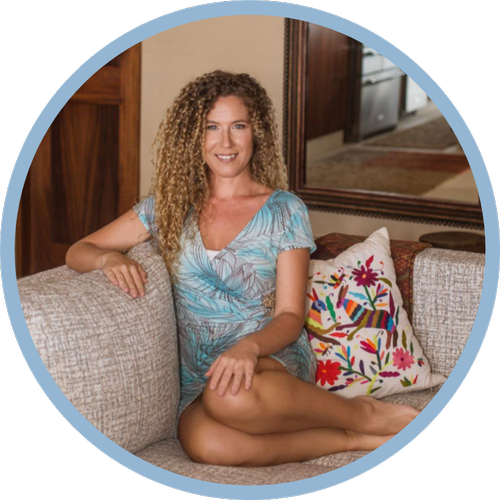
Dez is the founder of My Deztination and Mexico’s trusted relocation advisor. With over seven years living in Mexico, she knows the importance of trustworthy and professional guidance & support. She specializes in personalized consultations, private neighborhood tours, and full-service relocation packages to help clients move to Mexico the easy way.
Frequently Asked Questions
Is Mexico safe in 2026?
Mexico, like every country, experiences security incidents. Safety depends heavily on location, awareness, and lifestyle choices. Popular relocation destinations such as Puerto Vallarta, Ajijic, Lake Chapala, Mérida, and many areas of Mexico City continue to host large expat and retiree communities living full-time without issue.
What happened in Jalisco on February 22, 2026?
Following a federal operation in Tapalpa, coordinated disruptions occurred in parts of Jalisco, including vehicle blockades and temporary flight cancellations. Authorities responded quickly, arrests were made, and public services began resuming within hours.
Are tourists or expats targeted?
No official reports indicate that tourists or expats are targeted. The cartel incidents are tied to criminal activy and security operations. They are not random attacks against residents or visitors.
Do cartel incidents like this happen often?
Large-scale coordinated disruptions are not regular occurrences. When they do happen, they are typically linked to specific law enforcement actions and are short-lived.
Should I reconsider moving to Mexico?
Relocation decisions should be based on your lifestyle goals, risk tolerance, financial planning, and personal values. Millions of families, retirees, and remote workers live safely in Mexico full-time. Context and long-term perspective matter.Relocation decisions should be based on your lifestyle goals, risk tolerance, financial planning, and personal values. Millions of families, retirees, and rem
How can I stay informed if I live in Mexico?
Follow official state government channels & join our Move to Mexico the EASY way Facebook community, avoid spreading unverified social media rumors, and maintain normal situational awareness — just as you would in any country.